The Menu, Shown as Text
The menu is the first thing most diners look for. As real text it loads instantly, reads well on a phone and can be found by Google.
Free, no obligation
A restaurant website should make the decision easy for someone who is hungry, nearby and comparing a few places on their phone. It has to show the menu, the room and the hours at once, and put a booking or an order one tap away.
Most restaurant websites fail that test in small ways that add up. The menu is a PDF that takes time to open, the hours are wrong on a bank holiday, the photographs are slow to load and the booking button sits below the fold. Each one costs a few diners, and they usually go to whichever place answered faster.
The restaurants that fill tables from search tend to have a site built around those first few seconds. The menu is real text, the opening hours are right, there is a clear way to book or order on the first screen and the whole page loads fast on a phone. Behind that, a page for each thing people search for, such as brunch, private dining or a set menu, gives Google more to rank.
I build restaurant websites from scratch for restaurants, cafes and takeaways across Ireland, with no template and no platform to rent. It starts with a free audit of the site you have now, so you know what is working before anything is quoted. The menu, booking and ordering each have their own pages, starting with restaurant menu online and restaurant booking system.
A restaurant website needs six things to do its job, and the order they appear in matters as much as the things themselves.
The menu is the first thing most diners look for. As real text it loads instantly, reads well on a phone and can be found by Google.
Hours, bank holiday changes and kitchen closing times should be easy to find and always current. A wrong hour sends a diner to a rival.
A clear button for booking a table or ordering for collection, visible without scrolling, turns a visit into a customer.
Good photographs show what the evening feels like. They should load quickly and sit beside the words that explain them.
Where you are, where to park and how to reach the door are real questions, and a short answer saves a phone call.
A phone number, an email and a short enquiry form for larger bookings, all in one place and easy to tap on a phone.
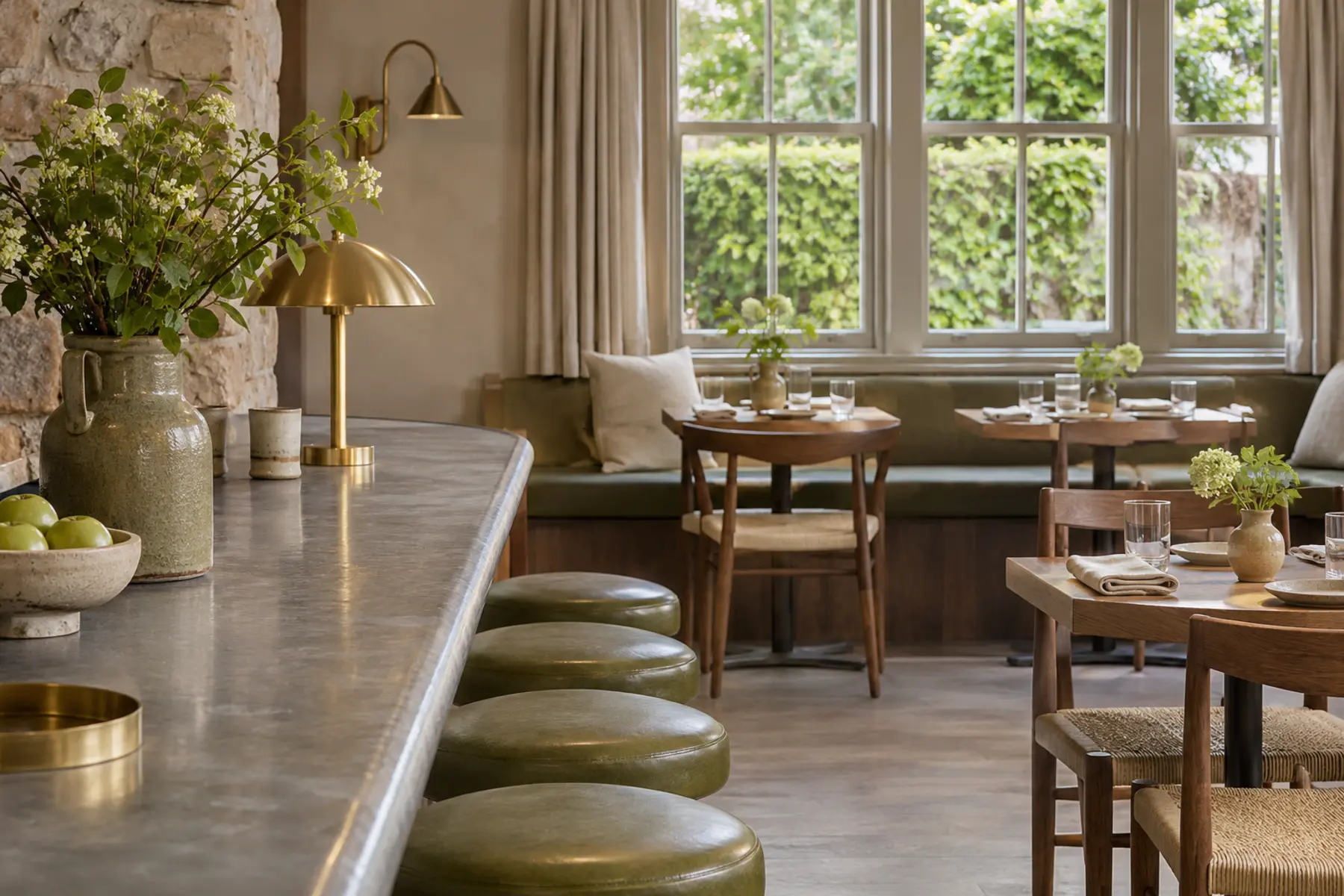
Most diners will meet your website on a phone, usually when they are already out or already hungry, so the site has to be designed for that moment first.
On a phone the menu has to be readable without pinching, the booking button has to be reachable with a thumb and the page has to load before the diner loses interest. That means a site built light, with images sized for the screen they are shown on, and not a desktop layout squeezed small.
It also means writing for a quick glance. The first screen carries who you are, where you are and what a diner can do next, and the detail sits below for those who want it. A diner who has seen your menu and your hours in five seconds is far more likely to book.
A fast site helps with search as well. Google takes speed into account, as the guide to why a website is not ranking explains, and a site that loads quickly keeps the diner who searched for a place to eat from going back and trying the next result.
A website builder is quick and cheap to start, and a site built from scratch costs more up front and then belongs to you. The right choice depends on how long you plan to trade and how much of the work you want to own.
| What matters | Website builder | Hospitality theme | Built from scratch |
|---|---|---|---|
| Speed to launch | Fast, often within days | A few weeks, once the theme is set up | Three to four weeks for a standard site |
| Look and feel | A template, shared with many others | A theme, shared with many other restaurants | Designed around your room and your food |
| Ownership | Rented, and moving away can mean rebuilding | Yours, but tied to the theme and its plugins | The domain, code and content are yours outright |
| Ongoing upkeep | Handled by the platform, with a monthly fee | Constant updates to the theme and plugins | Very little, because nothing runs on the server |
| Search performance | Limited by the template | Often slow, and varies by theme | Fast and structured for the searches that matter |
A restaurant site on WordPress needs constant updates, and a site that is hacked or offline on a Friday evening costs covers straight away.
Most restaurant sites are WordPress hospitality themes, so they carry the theme, a menu plugin and often an ordering or booking plugin, each of which needs keeping up to date. Falling behind is how most sites get into trouble, and it tends to happen in the middle of service, when nobody has time to look.
A site built in advance and served from Cloudflare runs no PHP and no database when a diner opens it, so flaws such as PHP2Shell have nothing on the site to attack. The PHP2Shell guide explains the recent flaws plainly, and moving an existing site over is covered on the website migration page.
Reservations carry names and phone numbers, and group enquiries may carry allergy notes, so the less there is on the server to attack, the better.
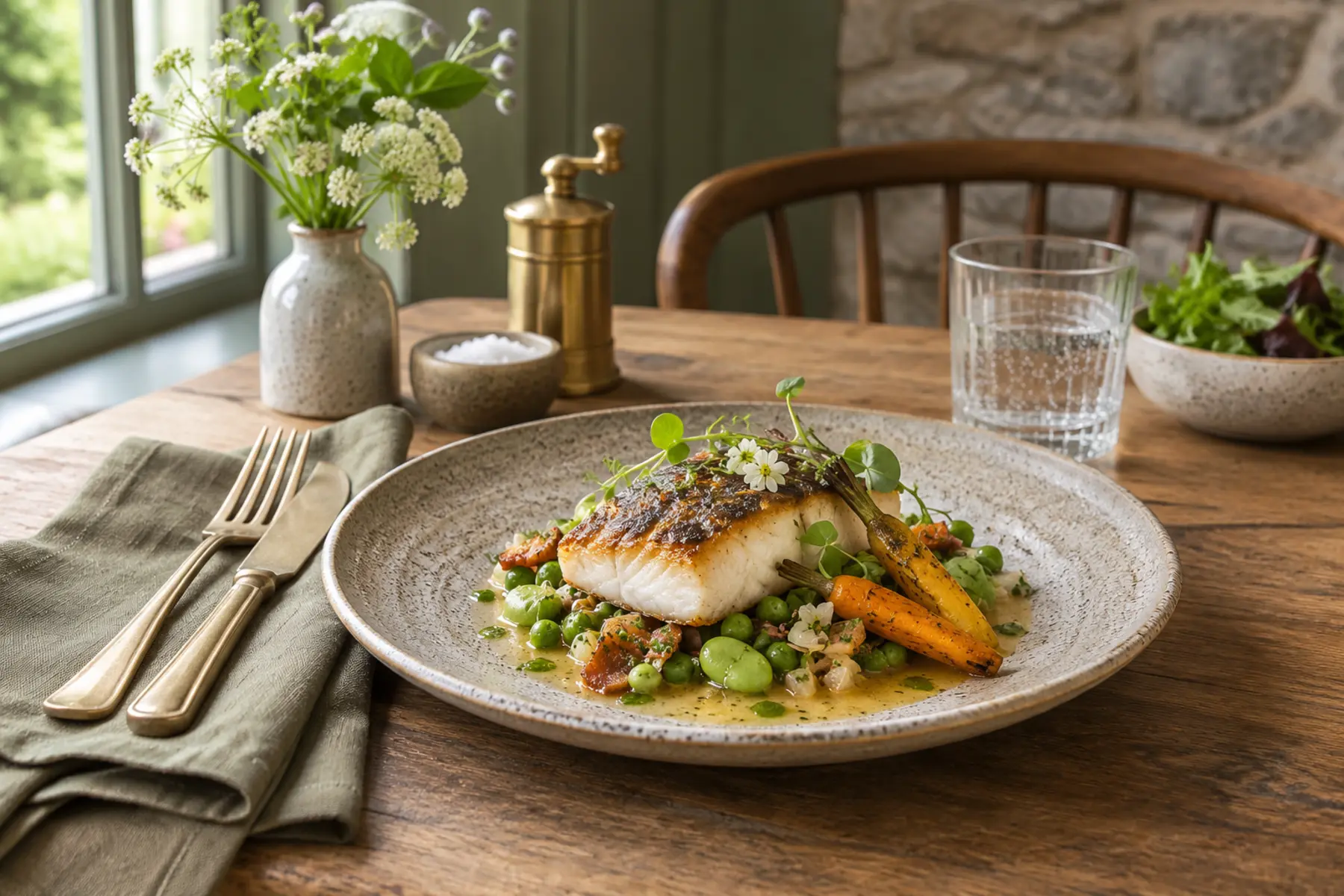
A restaurant website lives or dies on its photographs, and the best ones show the food and the room as they really look on an ordinary good evening.
A handful of well-lit photographs of the room, the plates and the details do more than a large gallery. They should be sized for the phone, loaded lazily so they do not slow the page and described in plain words so they can be understood by anyone using a screen reader.
The words matter as much as the pictures. A short paragraph on what you cook, where it comes from and what a diner can expect gives Google something to read and gives the diner a reason to choose you. It should sound like you, written plainly, and not like a brochure.
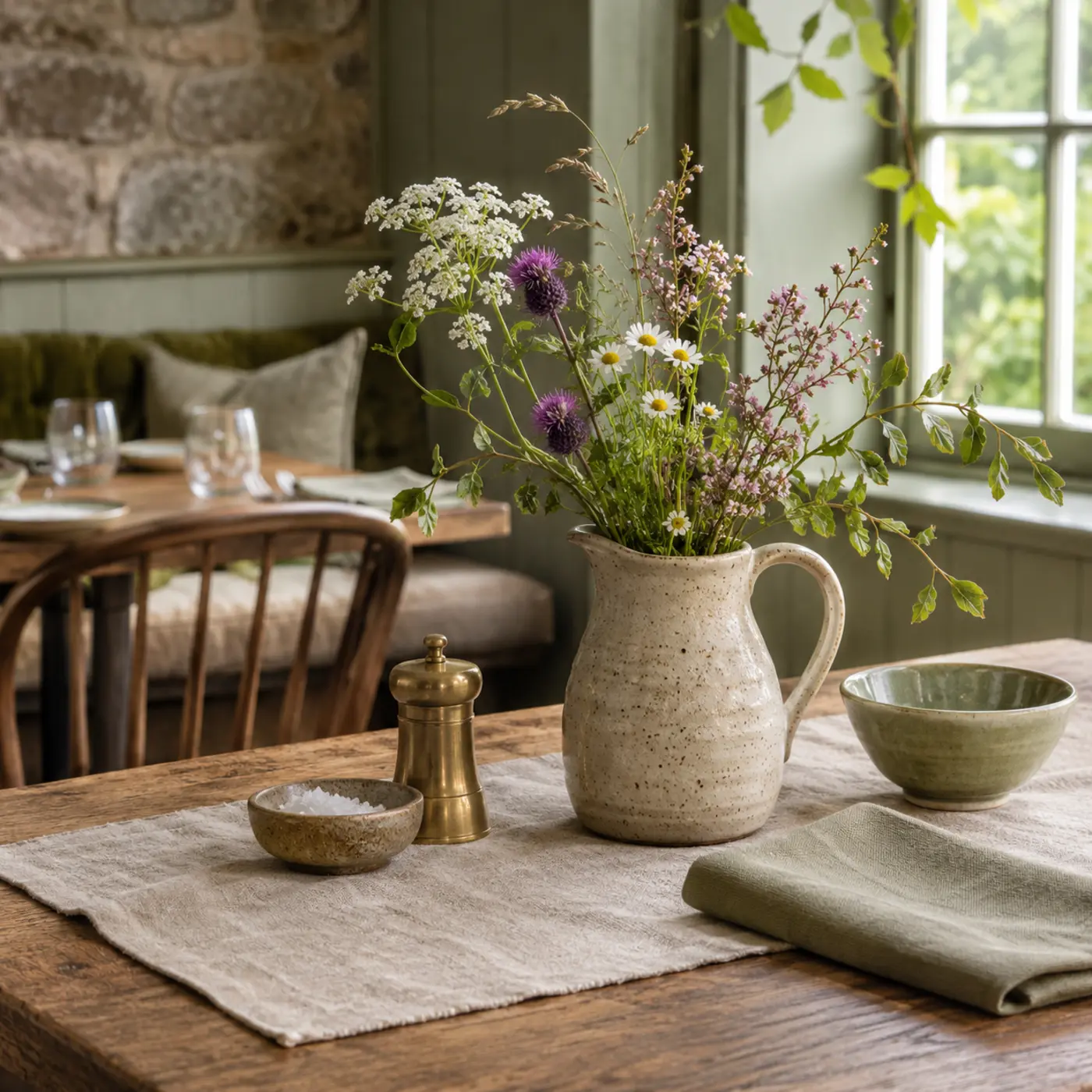
A restaurant website can do more than describe the restaurant. A page for each thing diners search for gives Google more to rank and answers the question the diner actually asked.
Brunch, a Sunday roast, a set menu, private dining and a kids menu are separate searches, and each deserves its own page. A restaurant that ranks for brunch in its own town brings in diners who had never heard of it.
The same applies to the practical questions. Whether you take walk-ins, where to park and how many a private room holds are all things people search for, and a short page on each saves a phone call and earns a place in the results.
A handful of avoidable mistakes account for most of the diners a restaurant website loses, and each is cheap to put right.
It is slow on a phone, hard to read and invisible to Google as part of your site. A menu built as a page fixes all three.
A wrong bank holiday time or a kitchen closing hour that has changed sends a diner to a rival, and sometimes to your door when you are shut.
If a diner has to scroll to find how to book, many will not. The button belongs on the first screen.
Large images that are not sized for a phone slow the whole page. A fast site is a competitive edge for a restaurant.
A single home page cannot rank for brunch, a Sunday roast and private dining at once. Each deserves its own page.
If changing a dish needs a developer, it will not happen, and the site drifts out of date. A content manager you can use yourself prevents that.
A standard restaurant or cafe site takes around three to four weeks from brief to live, and the price is agreed in writing before the first step.
A rebuild goes better when a few things are gathered first, and most of them are quick to do.
Have the real menu, the current prices and any seasonal changes ready, so the new site starts with correct content and not a guess.
Pull together the photographs you already have, and note what is missing. A small shoot of the room and a few signature dishes is often enough.
Note which platforms you use now and what you pay, so the new site can keep, replace or sit alongside each of them.
Know where your domain is registered and who has access to your Google Business Profile, so nothing is lost in the change.
Yes. Most people check Google before they decide where to eat, and a slow site or one that only links out to a platform hands the diner to someone else. A fast site with your menu, hours and a direct way to book keeps the diner and the money with you.
Yes. The menu is real text in a content manager that comes with the site, so a seasonal change or a sold-out dish takes a few minutes. There is no developer to call and no PDF to re-export.
Yes. The domain, the code and the content are yours outright, with no platform to rent and no lock-in. The price is agreed in writing before any work starts.
It can be a sensible start for a small place, and it is quick. The trade-offs are a template shared with many others, limited control over speed and structure, and rent that never ends. A site built from scratch costs more up front and then belongs to you.
A standard restaurant or cafe site with a menu, an about page, contact details and booking takes around three to four weeks from brief to live. Online ordering, several locations or event pages add to that.
Yes. The new site is built to hold the rankings the old one has, with redirects for any address that changes, and it is far lighter to run because nothing runs on the server.
Yes. Bookings can use a platform such as ResDiary or OpenTable on your own page, or a simple form that goes to your inbox. Online ordering for collection and delivery can be built in too, with no per-order commission.
It helps a lot. Brunch, a Sunday roast, private dining and a set menu are separate searches, and a page for each gives Google more to rank and gives diners a clearer answer.
It is designed for the phone first. The menu is readable without pinching, the booking button is within thumb reach and the pages load quickly on a mobile connection.
Three things work together. A fast, well-structured site with a page for each thing people search for, a complete Google Business Profile and a steady flow of genuine reviews.
No. It part-funds subscriptions to new off-the-shelf software and does not cover bespoke website development. The Trading Online Voucher closed to new applications in December 2024, and your Local Enterprise Office can say what you qualify for.
It depends on what the site has to do, from a simple menu-first site to one with booking and online ordering. The price is quoted as a fixed figure agreed in writing before any work starts, and the first conversation is about your restaurant and not a price list.
Not usually. Most restaurants write in English, and where an Irish version helps, such as a Gaeltacht venue, it can be added as part of the build.
A static site served from Cloudflare runs no PHP and no database when a diner visits, so there is far less on it to attack than on a typical WordPress restaurant site.
Each page goes deeper on one part of filling tables and taking orders and bookings on your own site.
 Start hereWeb Design for Irish Businesses: What Actually Gets ResultsRead the guide →
 Why Your Irish Business Website Isn't Ranking on Google (And What To Do About It)If your Irish business website is not showing on Google, one of these eight things is almost certainly why. A diagnostic walkthrough.
 How to Update Your Website Yourself: A Plain Guide (Ireland)How to work out what your website is built on, get into it, and change prices, hours and photos yourself. Including if you have lost access.
 Why Are Irish Businesses Moving Away From WordPress?Moving away from WordPress? Why Irish businesses leave, what the upkeep really costs and when staying put is wiser. Get a free website audit.
Send me your current website address and I will tell you plainly what is working, what is holding it back and whether a rebuild is worth it. Free, with a fixed price agreed before any work starts.