Collection Orders and Prep Times
The customer picks a time or a ready-by estimate, and your team sees the order straight away. A short note on how long collection usually takes sets expectations.
Free, no obligation
A takeaway website needs to turn a hungry person into an order in as few taps as possible. It has to show the menu at once, make the order button obvious and take payment without asking the customer to create an account.
Many takeaways have a website that is little more than a phone number and a link to a delivery app. That sends the order, the customer and a share of the money to the platform, and the takeaway never learns who its regulars are. The site was meant to bring the customer closer, and it pushes them away.
A takeaway that takes its own orders keeps the margin on every repeat customer. The delivery apps still do a useful job of finding new people, since many browse them when they are hungry and undecided. The sensible pattern is to use the apps for discovery and your own site for the people who already know you.
I build takeaway websites with their own online ordering for takeaways, chippers and food businesses across Ireland. It starts with a free audit of how orders reach you now, so the advice is about your kitchen and your volume and not a generic setup.
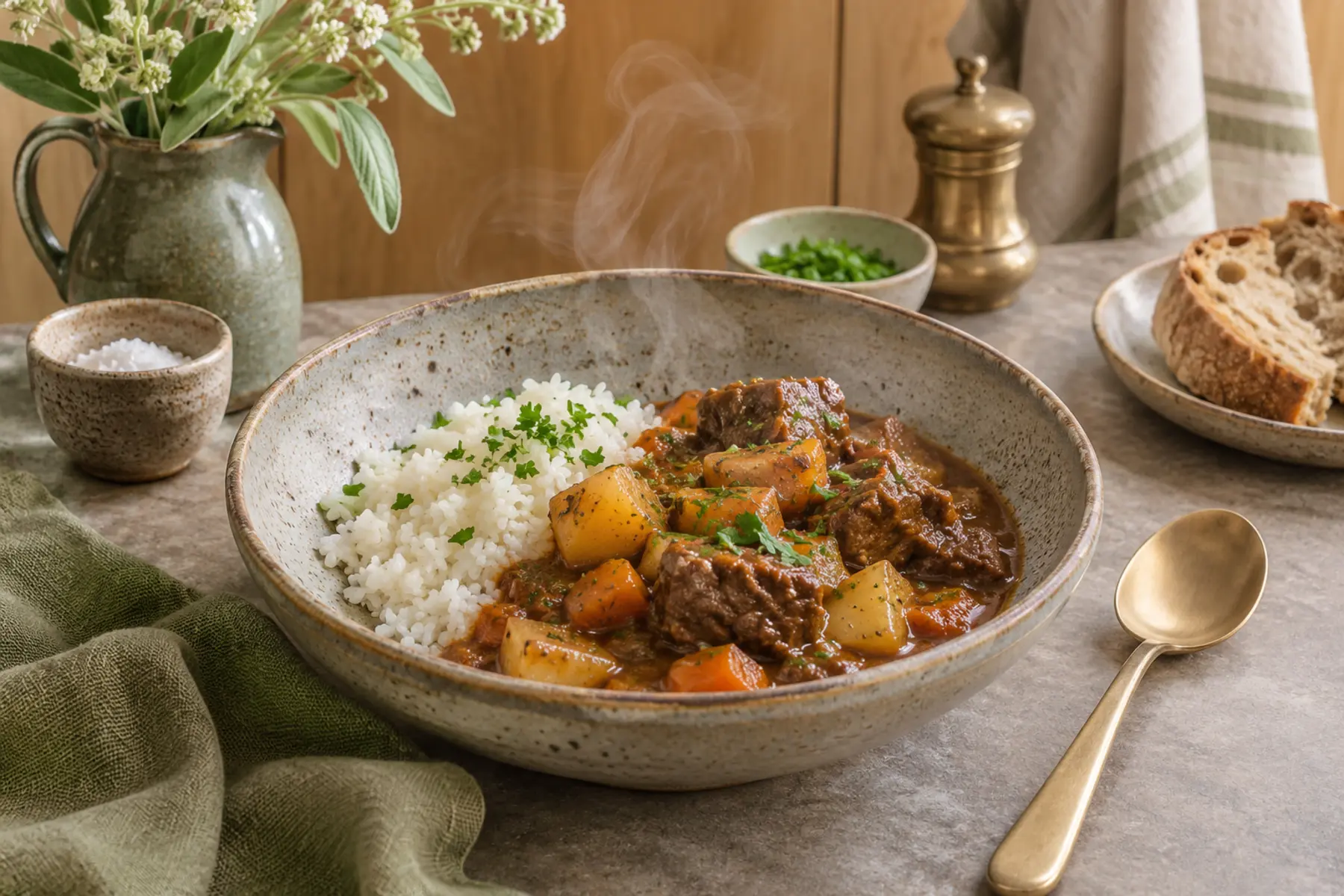
A takeaway website should show the menu, show whether you are open and make ordering the easiest thing on the screen, all before the customer has to scroll.
A hungry customer is not browsing. They want to see what you serve, whether you are open now and how long it will take, and then they want to order. Every extra step, from a pop-up to a form to a login, costs orders.
The menu comes first. It should load instantly as text, be grouped the way people order, and carry short descriptions and clear prices. A large photograph of a signature dish helps, as long as it does not slow the page.
Opening hours and kitchen closing times belong near the top, along with a clear note of whether you are taking orders now. A diner who finds out at checkout that you are shut will not come back to try again.
There are three broad ways to take orders online, and each trades cost against control. The commission-free alternative to Just Eat works through the sums in more detail.
| What matters | Marketplace app | White-label tool | Your own site |
|---|---|---|---|
| What it costs you | A share of every order, commonly quoted at roughly 14% to 30% | A monthly or per-order fee | A fixed build price, then the normal card fee |
| Who keeps the customer | The platform holds the details | It depends on the tool, so check | You do |
| Finding new customers | Strong, because people browse hungry | Weak, because it relies on your own traffic | Built through search and your Google profile |
| Your branding and menu | Listed beside every rival | Branded, within the tool's limits | Entirely yours |
| Best suited to | Finding new people | Getting started quickly | Regulars and repeat orders |
Irish food businesses must give allergen information for food that is not prepacked, and the Food Safety Authority of Ireland (FSAI) names takeaways and delivery services among those covered. An online menu is a natural place to do it clearly.
The FSAI says written allergen information is the minimum for non-prepacked food, and that it can be shown beside each dish or in a central place such as an allergen chart. It can be supplemented by speaking to the customer, and it must be in English, or in Irish and English.
For a takeaway, that means the allergens should be visible on the ordering page before the customer pays, not only in the shop. Showing them beside each dish, and updating them whenever a recipe changes, keeps the information accurate and saves the customer a phone call.
Staff also need to know what is in every dish and how to answer a customer who asks. The pages listed below are the place to confirm what applies to your business, and this is guidance on how a website can help, and not legal advice.
Each way of getting food to the customer needs its own set-up, and a good ordering page makes the choice simple.
The customer picks a time or a ready-by estimate, and your team sees the order straight away. A short note on how long collection usually takes sets expectations.
If you deliver yourself, the site can limit orders to the areas you cover and show the charge before checkout. No surprises at the door.
Orders for later in the day, or for a group or a party, give the kitchen time to plan. They also smooth out the rush at the busiest hours.
New orders arrive where your team already looks, whether that is an email, a text or a printer, so nothing is missed on a busy night.
The orders worth moving are the ones from customers who already know you, since they are the ones you pay commission on for no reason.
Keep the apps for discovery, because people browse them when they are hungry and do not know what they want. Then give the people who already like you a reason to order direct, such as a small thank-you on the first order, a bag insert with a link or a sign at the counter.
Many regulars will switch without an incentive once they know it is easier, and each one that does keeps the margin you would have paid away. Over a year the saving on a busy takeaway can be considerable.
The site also builds a list of customers, with their agreement, so you can tell them about a new dish or a quiet-night offer. That list belongs to you, which is something no marketplace gives you.
A takeaway site can rank for more than its name. A page for each thing people search for gives Google more to match and brings in customers who had not heard of you.
A page for the kind of food you cook and the town you serve answers the search people make when they are looking for something near them.
A page for a family meal or a meal deal gives a clear offer a search can find, and a clear thing to order.
People search for what is open late. A page that says when you are open, and when the kitchen closes, gets that traffic.
A page on vegetarian, vegan and gluten-free choices, kept accurate and current, answers a question many customers ask before they order.
A takeaway lives on timing, and a website that is honest about hours and waits keeps customers happy even on the busiest night.
Opening hours should show on the site, on your Google profile and on the ordering page, and all three should match. When the kitchen is closing early or the wait is longer than usual, the site should say so, ideally by pausing orders for a while.
Being able to pause or slow orders protects the kitchen and the customer. A takeaway that takes more orders than it can cook gets complaints, and one that says the wait is an hour gets orders from people who are happy to wait.
Most lost orders come from the same few avoidable problems, and each is cheap to fix once it has been spotted.
It is slow on a phone, hard to read and invisible to Google as part of your site. A menu built as a page loads at once and can show allergens.
If a hungry customer has to scroll to find how to order, many will not. The button belongs on the first screen.
Forcing a customer to register before paying loses the order. A guest checkout, with card or wallet payment, keeps it.
A customer who orders and finds you closed rarely returns. Keep the hours right on the site, the profile and the ordering page.
Taking more orders than you can cook brings complaints. A simple pause or longer wait time protects the kitchen and the customer.
Allergen information should be visible before the customer pays, and kept current as recipes change.
The work follows four steps, and the price is agreed in writing before the first one starts.
Yes. A site of your own lets regulars order direct and keep the margin, builds a list of your customers and gives Google a page to rank. The delivery apps can stay for finding new people.
Yes. Customers browse the menu, order and pay on your site for collection or delivery, and the money goes straight to your account, less the normal card fee.
It varies with the deal and the service. The range commonly quoted by Irish operators is roughly 14% to 30% of order value, with card processing on top. Check your own rate card.
Usually not. They are good at finding new customers, so the sensible pattern is to keep them for discovery and move the people who already know you to your own ordering.
By card, through a payment provider, with no card details typed into your own site. Many also offer wallet payments on a phone, which makes checkout quick.
Wherever your team already looks. They can arrive by email, by text or on a printer, and the customer receives a confirmation at once.
Yes. The site can restrict orders to the areas you cover and show the delivery charge before checkout.
Yes. A simple switch pauses online orders or lengthens the estimated wait, which protects the kitchen and keeps customers informed.
Irish food businesses must give allergen information for food that is not prepacked, and the FSAI says takeaways and delivery services are covered. The FSAI pages are the place to confirm what applies to you.
Yes. The site comes with its own content manager, so changing a dish, a price or a special takes a few minutes and needs no developer.
Yes. The pages, the code and the customer details are yours outright, with no platform to rent and no per-order fee. The price is agreed in writing before any work starts.
It can part-fund a subscription to new off-the-shelf software such as an ordering platform, but not bespoke development, and it needs a Digital for Business project with your Local Enterprise Office first. Your Local Enterprise Office can say what you qualify for.
A takeaway site with online ordering usually takes four to six weeks from brief to live, depending on the menu and delivery set-up. You get a fixed price and a timeline before any work starts.
A fixed build price, agreed in writing before any work starts, then only the normal card processing fee on each order. There is no commission on the orders that come direct.
Yes. Orders can be sent to a printer, as well as by email or text, so the kitchen sees each one the moment it arrives.
Yes. A returning customer can see their previous orders and repeat one in a couple of taps, which is a good reason for regulars to use your own site.
Yes. The same approach suits any food business that takes orders for collection or delivery, scaled to the menu and the volume.
Each page goes deeper on one part of filling tables and taking orders and bookings on your own site.
Checked on 22 November 2026. Rules and guidance change, so the official pages named below are the place to confirm the current position.
 Start hereHow to Take Online Orders Without the Just Eat Commission (Ireland)Read the guide →
 Local SEO for Irish Businesses: How to Rank on Google in Your AreaA practical guide to local SEO for Irish businesses, how Google local search works, what moves the needle, and how long results realistically take.
 Google Business Profile for Irish Businesses: The Complete Setup GuideHow to set up, verify and optimise your Google Business Profile as an Irish business. The step-by-step guide to appearing in local search.
 How to Update Your Website Yourself: A Plain Guide (Ireland)How to work out what your website is built on, get into it, and change prices, hours and photos yourself. Including if you have lost access.
Send me your current website address and I will tell you plainly what is working, what is holding it back and whether a rebuild is worth it. Free, with a fixed price agreed before any work starts.