The Menu, Easy to Scan
Drinks, food, cabinet items and specials in clear sections, with prices, so someone can decide before they reach the counter.
Free, no obligation
A cafe website should help someone decide in a few seconds, often while walking or queuing. It has to show the menu, the hours and where you are, and make a pre-order or a visit the easy choice.
Cafe customers are the least patient of all. They are on a break, on the way to work or meeting a friend, and they choose the place that answers fastest. A site that loads quickly, shows the menu and says whether you are open now beats a prettier one that makes them hunt.
A cafe also lives on regulars. A good site gives them what they need, such as the hours for the week, the specials and a pre-order for the morning rush, and it gives new customers a reason to try you. A short email to people who have signed up fills a quiet afternoon for the price of a message.
I build cafe and coffee shop websites across Ireland, from a single counter to a small group, with no template and no platform to rent. It starts with a free audit of your current site and your Google profile, so you can see what a customer sees on the way past.
A cafe website works best when it answers the handful of questions a customer has before they come in, and it answers them fast.
Drinks, food, cabinet items and specials in clear sections, with prices, so someone can decide before they reach the counter.
Weekday, weekend and bank holiday hours, shown plainly and matched to your Google profile. A wrong hour sends people elsewhere.
A pre-order for coffee and a bite lets a customer skip the queue, and lets you plan the morning rush.
A few good photographs of the room, the counter and the cabinet help a newcomer picture a visit and spot the door.
Where you are, where to park and whether the entrance is step-free are real questions, and a clear answer saves a phone call.
A short enquiry route for groups, catering and hire brings in the larger bookings that a cafe often misses.
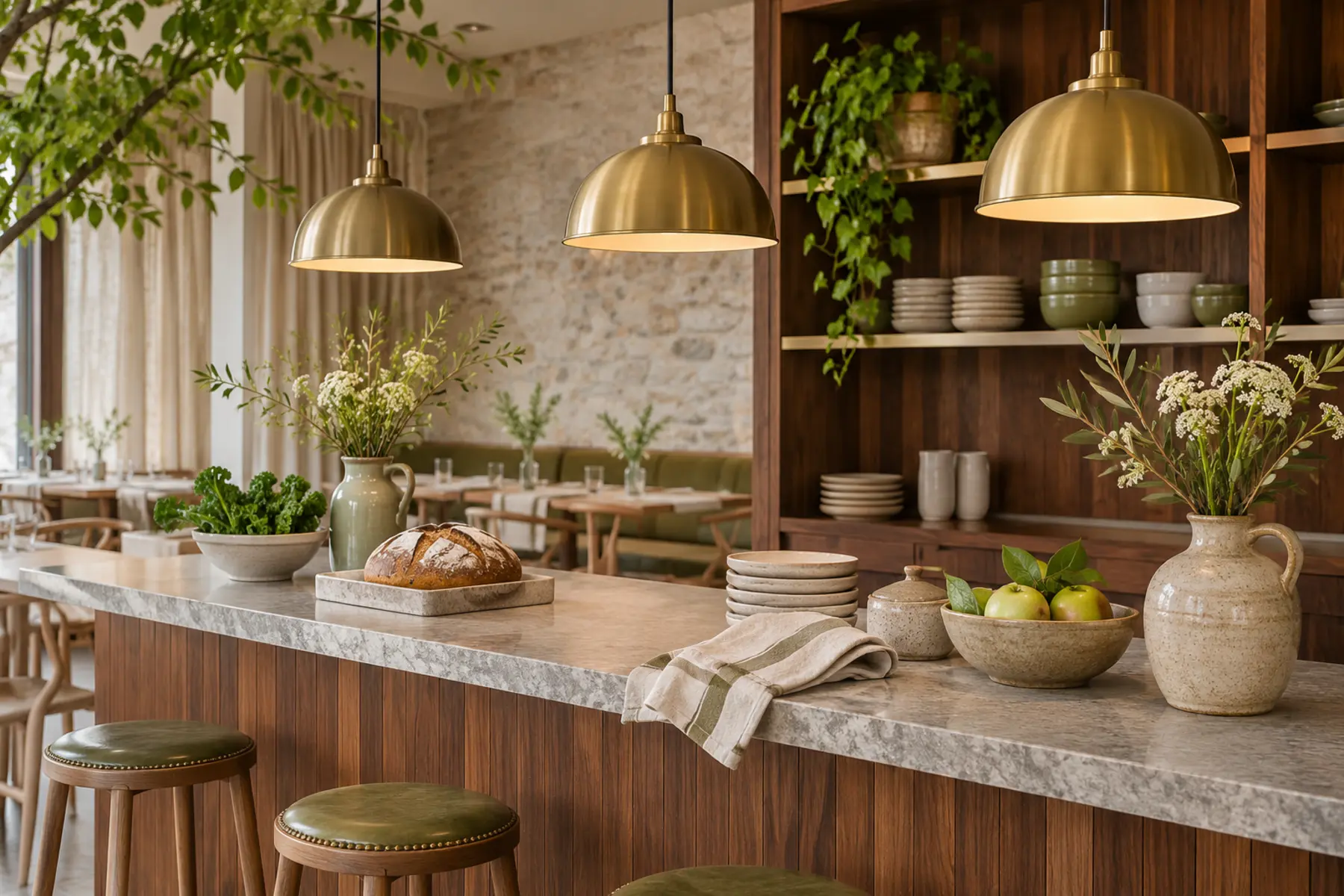
Most people find a cafe through the map, and the details that decide the visit are the hours, the photographs and the reviews.
A cafe that opens early gets a lot of searches from people on their way to work, and a profile that shows the right opening time, a current menu link and recent photographs wins many of them. The same profile should link to your click and collect page, so a customer can order before they arrive.
Hours matter more for a cafe than almost anything else. A cafe that closes at three and says five loses the customer for good, and one that is open on a bank holiday and says closed misses easy trade. Set special hours ahead of every bank holiday, and check them the week before.
The website should say the same things in the same way. A mismatch between the profile and the site is both confusing and a quiet signal that the details cannot be trusted.
Taking orders ahead lets a cafe smooth out the morning rush, and there are a few ways to do it, depending on the volume.
| What matters | Pre-order page on your site | Ordering app | Phone and counter |
|---|---|---|---|
| Set-up | A page on your own site, built to match | An app account and a listing | None, as it is how many cafes work now |
| What it costs you | A fixed build price, then the normal card fee | A fee on each order, or a monthly one | Staff time on the phone |
| Who keeps the customer | You do | The app holds the details | You do, if you ask |
| Speed at the counter | Orders arrive ready to make | Orders arrive ready to make | Orders are taken while the queue waits |
| Best suited to | A busy cafe that wants regulars to skip the queue | Finding new customers | A quiet cafe or an occasional order |
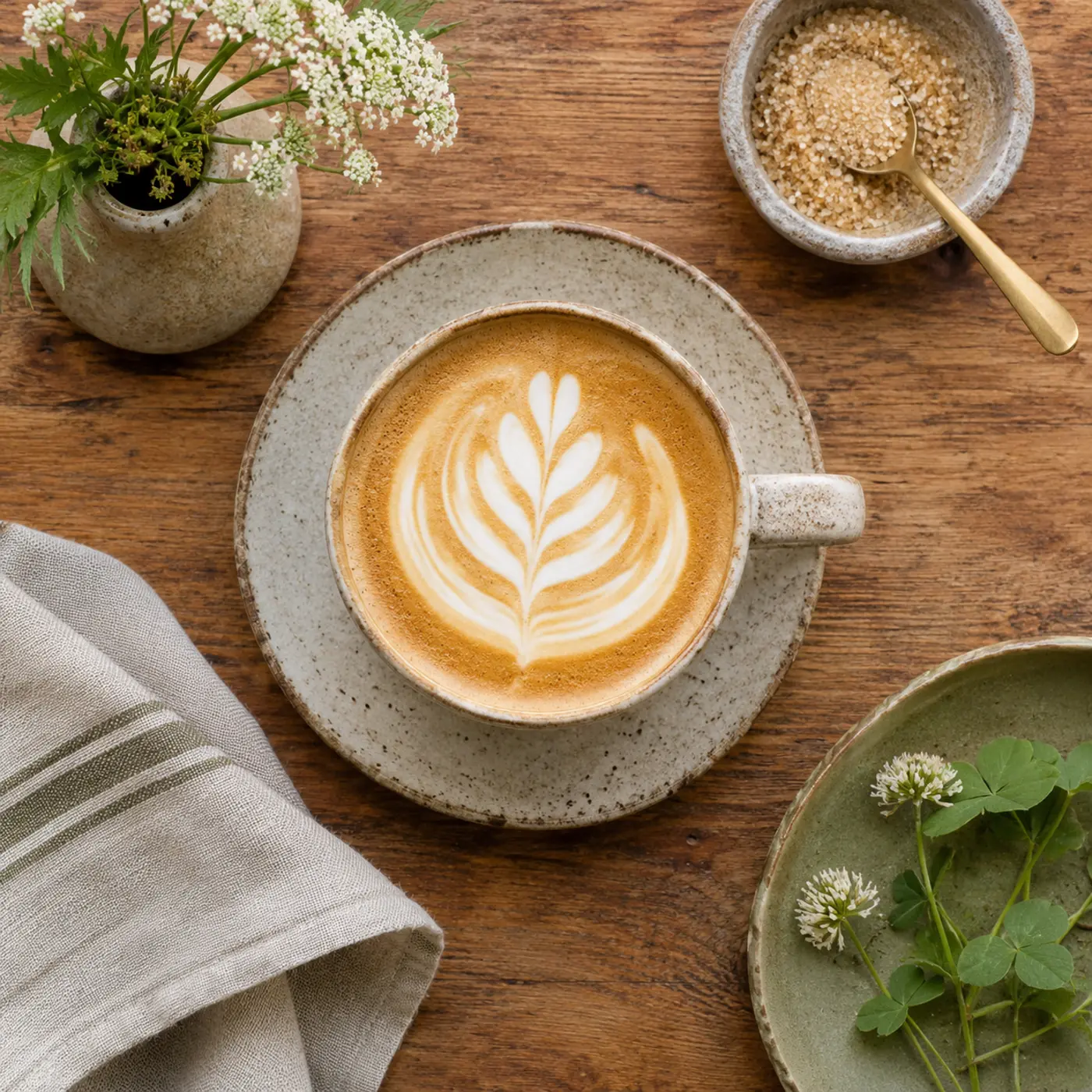
A cafe menu has to be read in seconds, so it should be short, clear and always right.
Customers are often in a hurry, so the menu should be grouped the way they order. Hot drinks, cold drinks, breakfast, lunch and the cabinet are easy to take in, with a short line on anything unusual and a clear price beside each item.
Allergen information belongs beside the items, not on a separate download, and it should change as soon as a recipe does. The restaurant menu online page explains how that works and what the FSAI guidance says.
The specials are the part that changes, so they should be easy to update. With a content manager you can swap a soup, a bake or a seasonal drink in a minute, without a developer.
Many cafes are quietly good at events, catering and hire, and a short enquiry route brings in those larger bookings.
A cafe can host a book club, a baby shower, a small party or a team meeting, and many do it well. A page that says what you offer, how many it holds and how far ahead to ask gives those customers an easy first step.
The enquiry form should ask for very little, just a name, a way to reach them, the date, the numbers and the occasion. Anything else can wait for a conversation, and the form should never collect card details.
Catering is a similar story. Platters, trays and office orders can each have a simple page and a short form, and they often bring in repeat business from workplaces nearby.
Regulars are the lifeblood of a cafe, and a few simple habits online make it easier to win them and keep them.
Ask for an email sign-up at the till and on click and collect orders, then send a short note about a new bake or a seasonal drink. It brings people back without a promotion.
A simple stamp card or a free coffee after a few visits works, as long as it is easy to understand and does not need an app.
A page for your town, your breakfast or your coffee gives Google more to rank, and brings in people searching for a place nearby.
A steady flow of recent reviews tells a newcomer that other people come back. Ask at the counter, and reply to each one.
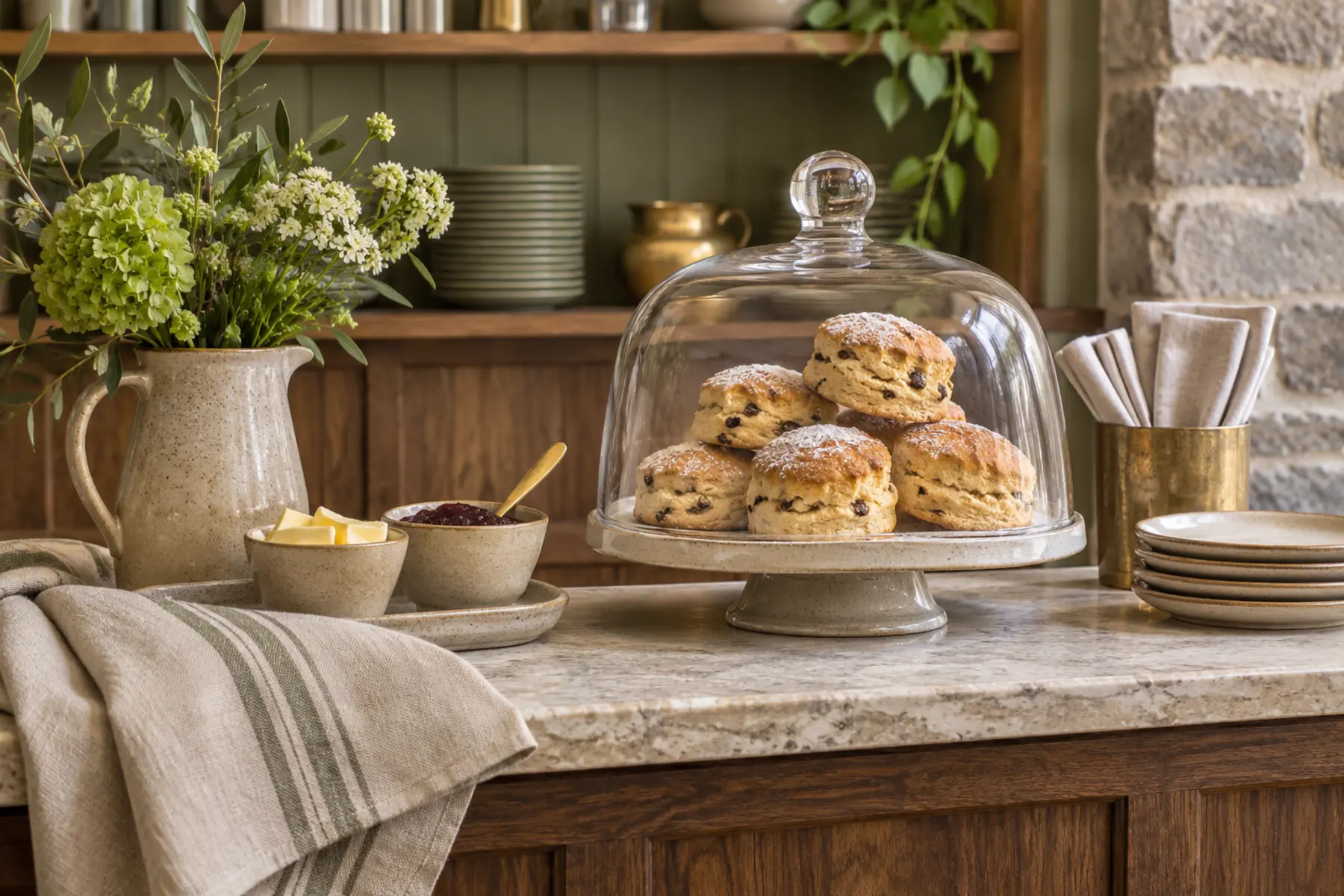
A cafe sells an atmosphere as much as a coffee, and its photographs and words should make a newcomer want to sit down.
A few good photographs of the counter, the cabinet, the seating and the street door do more than a large gallery. They should be recent, well lit and honest, and sized for a phone so the page still loads quickly.
The words matter too. A short paragraph on what you serve, who roasts the coffee and where the baking comes from gives Google something to read and gives a customer a reason to choose you. It should sound like you, and not like a brochure.
A cafe loses customers in seconds, so the small mistakes matter more than they would on a restaurant site.
Customers are often on a mobile connection and in a hurry. If the page takes more than a moment to load, they try the next cafe.
A cafe that says open and is shut, or the other way round, loses the customer for good. Set special hours ahead of every holiday.
A photograph of a printed menu or a long PDF is hard to use at a counter. A short, clear page works better.
A morning queue is a reason to go elsewhere. Click and collect lets regulars skip it and lets you plan the rush.
Yesterday's soup on today's page makes the whole site feel unreliable. A content manager you can use in a minute prevents it.
Different hours, menus or photographs between the profile and the website confuse customers and weaken trust.
A standard cafe site takes around three to four weeks from brief to live, and the price is agreed in writing before the first step.
Yes. A site gives customers the menu, the hours and a way to order ahead, and gives Google a page to rank. It also lets you build an email list of regulars that you own.
Yes. A pre-order page lets customers choose their order and a pick-up time, pay in advance and skip the queue, with the order arriving where your team already looks.
Set regular hours on your Google Business Profile, and use special hours for bank holidays and closures. Keep the website the same, so the two never disagree.
Yes. The site comes with its own content manager, so swapping a soup, a bake or a seasonal drink takes a minute and needs no developer.
It can work well, particularly around Christmas and birthdays. A simple voucher page on your own site, with clear terms, brings in buyers you would not otherwise meet.
Ask for an email sign-up at the till and with click and collect orders, send a short note now and then, and keep your reviews and Google profile current. Each is cheap and measurable.
Yes. A short enquiry page for groups, parties and private hire asks for very little and sends the request to you, so you can reply personally.
Irish food businesses must give allergen information for food that is not prepacked. A menu page can show it beside each item, and the FSAI pages are the place to confirm what applies to you.
A simple one can work well, such as a free coffee after a number of visits, as long as it is easy to understand and does not need a separate app. Email sign-ups often do the same job more cheaply.
Yes. An Irish version of the menu or the main pages can be added as part of the build if it suits your customers.
A few good, recent ones of the counter, the cabinet, the seating and the front door, sized for a phone. They help newcomers picture a visit and find the entrance.
Yes. The domain, the code and the content are yours outright, with no platform to rent and no lock-in. The price is agreed in writing before any work starts.
A standard cafe site takes around three to four weeks from brief to live. Click and collect, several locations or event pages add to that, and you get a fixed price and a timeline before work starts.
Yes. A smaller site with a menu, hours, location and a way to pre-order does the job, and can grow later if you add a unit.
No. It part-funds subscriptions to new off-the-shelf software and does not cover bespoke website development, and your Local Enterprise Office can say what you qualify for.
Each page goes deeper on one part of filling tables and taking orders and bookings on your own site.
 Start hereLocal SEO for Irish Businesses: How to Rank on Google in Your AreaRead the guide →
 Google Business Profile for Irish Businesses: The Complete Setup GuideHow to set up, verify and optimise your Google Business Profile as an Irish business. The step-by-step guide to appearing in local search.
 How to Update Your Website Yourself: A Plain Guide (Ireland)How to work out what your website is built on, get into it, and change prices, hours and photos yourself. Including if you have lost access.
 Web Design for Irish Businesses: What Actually Gets ResultsA straight guide to web design for Irish businesses: what a good site costs, what makes it rank, and what most designers will not tell you.
Send me your current website address and I will tell you plainly what is working, what is holding it back and whether a rebuild is worth it. Free, with a fixed price agreed before any work starts.