Set Menus With a Choice
A set menu with a choice at each course keeps the kitchen manageable and gives guests some say. A short sample on the page shows the style.
Free, no obligation
A private dining page needs to give a group everything they need to decide, and then make the first enquiry easy. It should show the room, say how many it holds, outline the set menus and explain how a booking works, all before anyone picks up the phone.
Most restaurants that offer private dining describe it in a paragraph on a general page, or not at all. The people who would book it, a family planning a christening lunch or a company organising a dinner, cannot tell whether you can take them and have to ring to find out. Many do not.
A page of its own changes that. It shows the room, names the numbers it suits and gives a clear idea of the menus and the cost structure, without a price list. It then asks for a few details and sends them to you, so you can reply personally. Larger bookings are worth far more than a table for two, and this is how they find you.
I build private dining and group enquiry pages for restaurants, cafes and gsitepubs across Ireland. It starts with a free audit of how you take group bookings now, so the page is built around your room and the way you like to work.
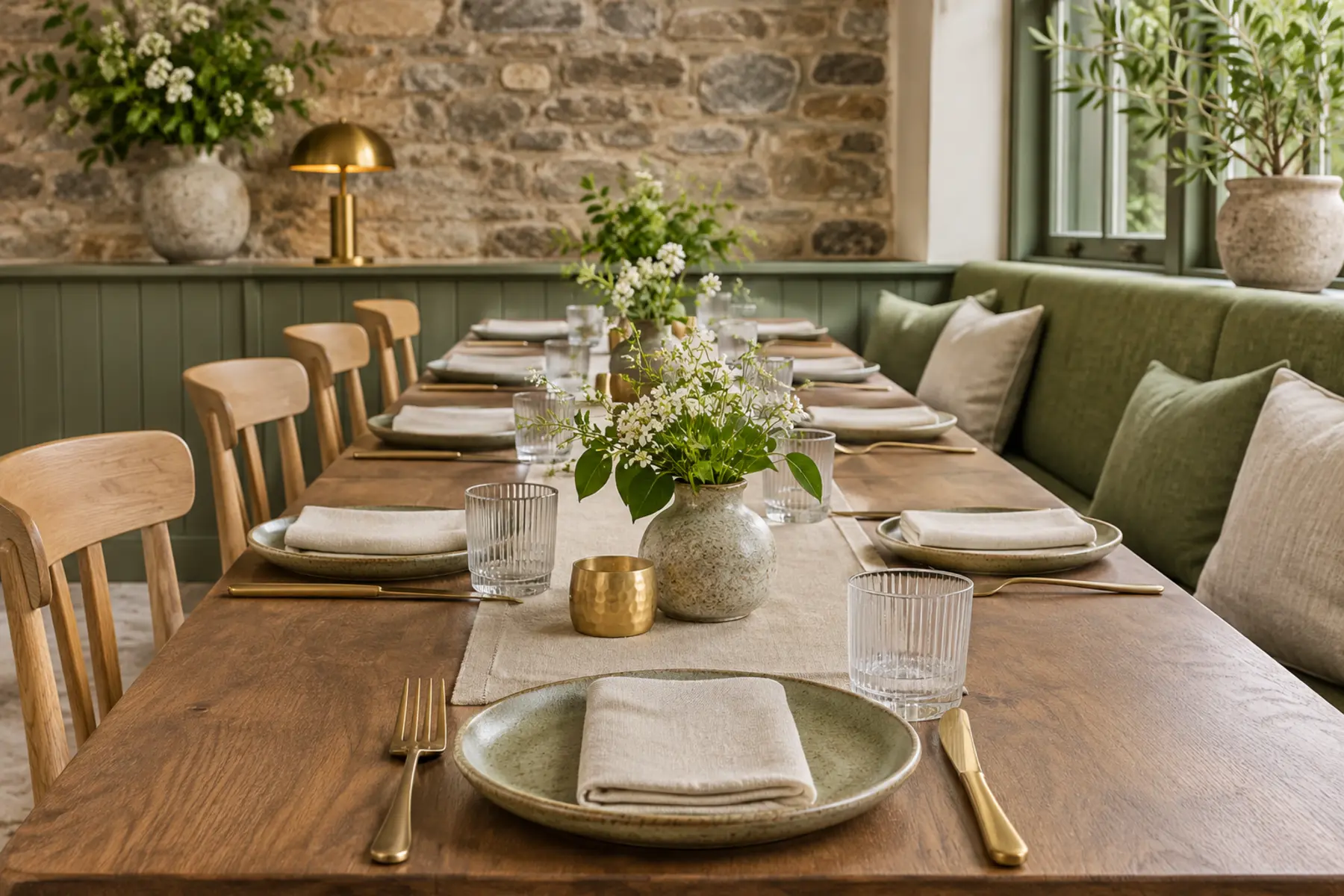
A group choosing a venue wants to picture the evening and know it will work, so the page should answer the practical questions first.
The room comes first. A few good photographs of it set for a dinner, a clear note of how many it seats and how many it holds standing, and a line on whether it is a separate room or a section of the restaurant, tell a planner most of what they need.
Next come the practical details. What the menus look like, whether there is a minimum spend or a deposit, how far ahead to book and whether the room can be used for a drinks reception or a speech all belong on the page. A planner who finds the answers at once is more likely to enquire.
The page should also say what makes your room different. A fireplace, a garden, a view or a particular kind of cooking is what lets a group choose you over a venue that looks the same.
Groups mean different things by a booking, so a good page explains each option and which one suits which kind of event.
| What matters | Group table | Private room | Whole restaurant |
|---|---|---|---|
| Typical size | A table of eight to twelve in the main room | A dedicated room for a larger party | The whole venue, for a big occasion |
| Menu | The usual menu, or a short set menu | A set menu or a package | A tailored menu, agreed in advance |
| Deposit | Sometimes, for the larger tables | Usually, to hold the room | Almost always, with a written agreement |
| Lead time | A few days to a few weeks | A few weeks, longer at peak times | Often several months |
| How to enquire | Through the normal booking form or a short note | Through a short enquiry form | Through an enquiry, then a conversation |
An enquiry form should ask for the least it needs to reply well. The rest can wait for a conversation.
The essentials are a name, a way to reach the person, the date they have in mind, the number of guests and the kind of occasion. Anything beyond that should be optional, so the planner is never made to feel they have to justify themselves.
Allergy and dietary notes can be useful for the kitchen, and they can also be sensitive. The form collects them only as an optional note, keeps them out of any public view and passes them straight to the people who need to see them. It never asks for card details, because any deposit is taken by a payment provider.
The reply is where the booking is won. A prompt, personal answer with the options, the cost structure and a suggested next step does more than any form, so the page should say who will reply and how soon.
Groups like to know what they will be eating and roughly what it will cost, and a clear outline makes the choice easier.
A set menu with a choice at each course keeps the kitchen manageable and gives guests some say. A short sample on the page shows the style.
A welcome drink, wine with the meal or a drinks reception can be offered as options, so the planner sees what is available without a long list.
A clear note that the kitchen will cater for dietary needs, and that guests should say so when they book, reassures a planner organising for a mixed group.
A cake, flowers, a speech or a toast can be offered as extras, and a few examples of what others have done help a planner imagine their own.
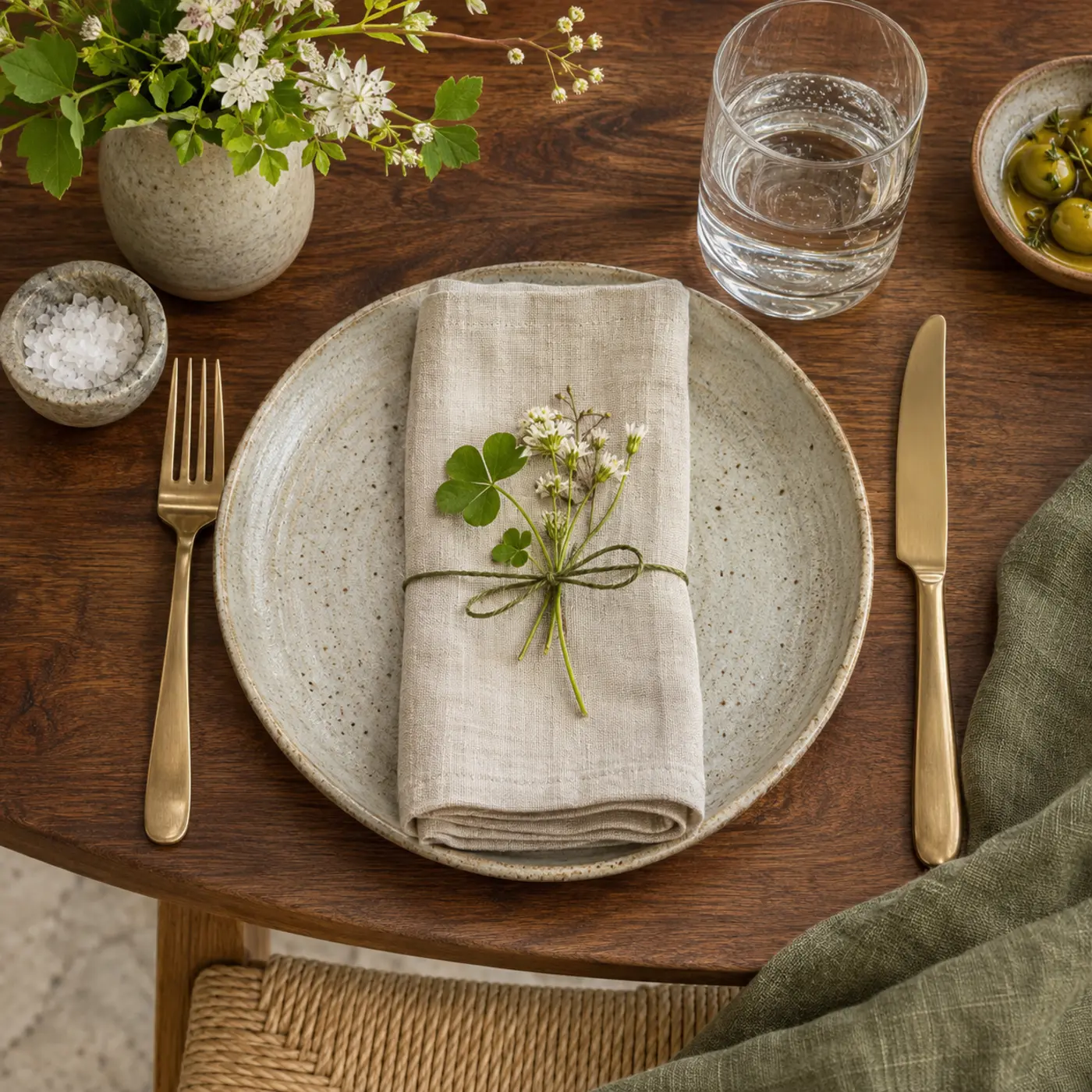
Different occasions need different things, and a page that speaks to each one brings in more enquiries than a general description.
A christening or communion lunch wants a relaxed daytime menu and space for children. A birthday wants a table that feels like a celebration, and a work dinner wants a quiet room and a clear bill. A wedding party or a rehearsal dinner wants all of that plus a little ceremony.
A short paragraph for each occasion, with a photograph of the room set for it, lets a planner see themselves in the space. Each can also be a page of its own, which gives Google more to rank for searches such as christening lunch or work dinner in your town.
The same room can serve all of them, and the page should say so, with a note of any seasonal pressure, such as the weeks before Christmas, when the room goes first.
Larger bookings carry more risk, so the terms should be clear, fair and written down, and the page should explain them before anyone enquires.
A deposit turns an interested group into a booking, and it protects you if they cancel. Say how much it is, when it is due and how it counts towards the bill.
A date by which the group confirms its numbers and menu choices lets the kitchen order and plan. Say it plainly, and remind the planner as it approaches.
A clear, reasonable policy on cancellations and changes, stated up front, avoids awkward conversations later and builds trust.
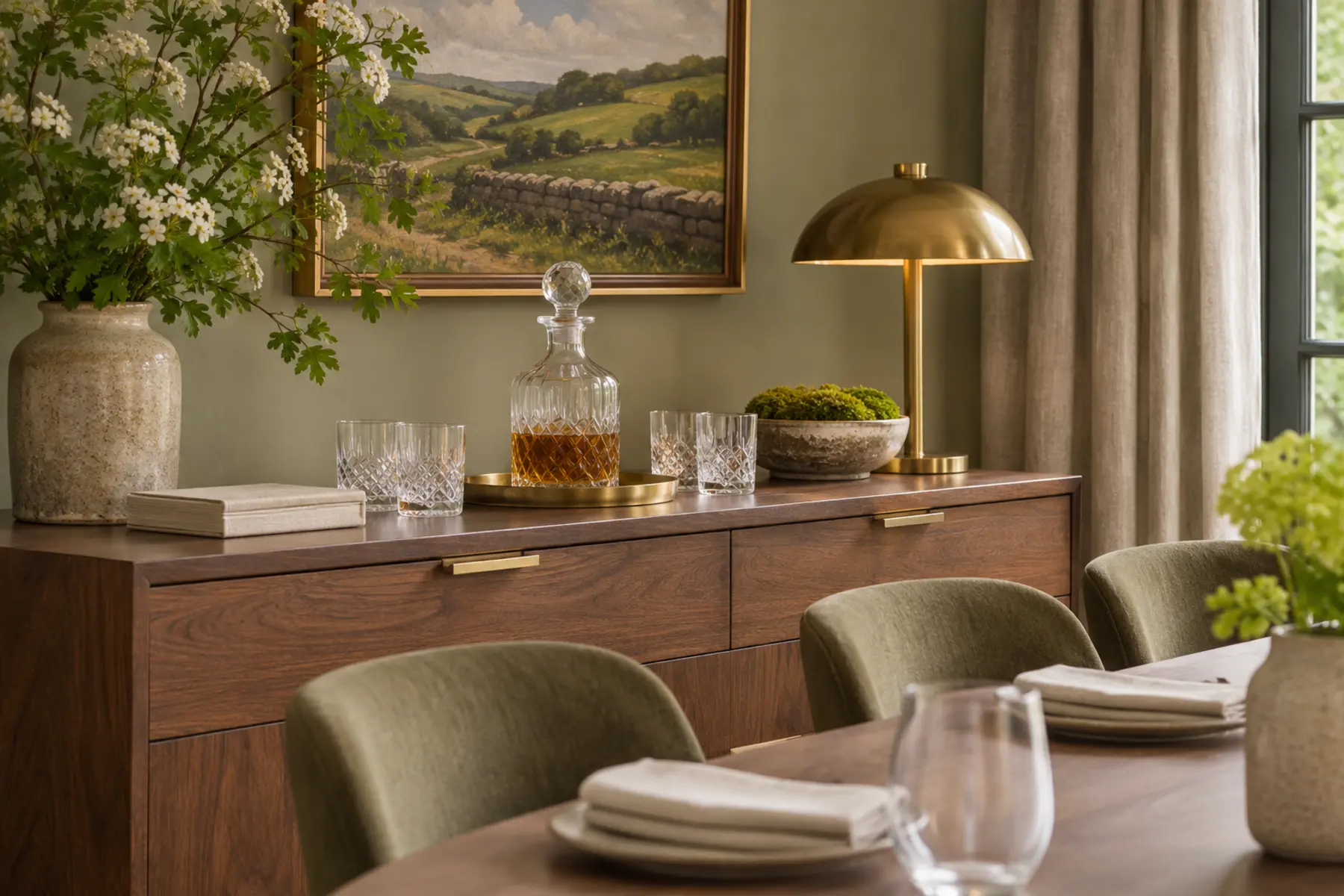
Small practical details often decide a booking, and a page that covers them saves both sides a lot of back and forth.
Access, parking, step-free entry, toilets, a coat area and whether the room has its own door are all things a planner wants to know. So is whether music, a speech or a projector is possible, and how late the room can be used.
A short list of these details, kept accurate, answers the questions that otherwise arrive as phone calls. It also shows that the venue has thought about groups, which is a quiet reason to choose it.
A planner choosing a venue has a lot of options, so the small mistakes on a page can cost a large booking.
A single line about private dining on a general page tells a planner nothing. A page of its own shows the room, the numbers and how to enquire.
A planner wants to picture the evening. Photographs of the room laid for a dinner do more than any description.
A planner who cannot tell what a dinner might involve will often move on. An outline of set menus and how the cost works invites the enquiry.
A long form costs enquiries. Ask for a name, a way to reach them, the date, the numbers and the occasion, and nothing more.
The reply is where the booking is won. Say who will reply and how soon, and then do it.
Surprises about money damage trust before the evening has begun. State the terms plainly on the page.
The work follows four steps, and the price is agreed in writing before the first one starts.
It helps a great deal. A page of its own can answer a planner's questions, rank for private dining in your town and bring in the larger bookings that a general page misses.
Photographs of the room, how many it holds, the occasions it suits, an outline of menus and drinks, a clear note on deposits and cancellations and a short enquiry form.
Many restaurants describe how the cost works, such as a set menu per head or a minimum spend, without a full price list. That is enough to help a planner decide and to invite an enquiry.
A name, a way to reach them, the date, the number of guests and the occasion, with an optional note. Anything else can wait for a conversation, and card details should never be typed into the form.
Say on the page that the kitchen will cater for them and that guests should mention them when booking. The form can carry an optional note, treated with care.
Yes. A deposit can be taken through a payment provider, so no card details are typed into your own site, and the terms are stated clearly on the page.
The enquiry goes to the email, text or system you already use, and the page says who will reply and how soon. A prompt, personal reply is where most bookings are won.
Yes. A page for private dining in your town, and pages for occasions such as christening lunches and work dinners, give Google more to rank and bring in planners who had not heard of you.
Yes. The normal booking form handles everyday tables, and the enquiry page handles the larger ones, so neither gets in the way of the other.
Yes, if you have one. A planner who knows the numbers the room suits and any minimum spend can decide quickly, and you avoid enquiries that cannot work.
It can show which seasons or dates are busiest and how far ahead to ask, without exposing a live calendar. Live availability for private rooms can be added if you want it.
Treat them as their own enquiry, with a page that outlines what you can offer and a short form. The planning conversation then happens personally, which suits events of that size.
Yes. The page, the code and the content are yours outright, with no platform to rent. The price is agreed in writing before any work starts.
A private dining page and enquiry form can be added within a standard build of around three to four weeks, or on its own as a smaller project. You get a fixed price and a timeline before work starts.
Yes. A cafe can offer private hire and parties, and a gsitepub often wants a route for events, Sunday lunches and larger tables.
Each page goes deeper on one part of filling tables and taking orders and bookings on your own site.
 Start hereOnline Booking Systems for Irish Businesses: How to Choose OneRead the guide →
 Local SEO for Irish Businesses: How to Rank on Google in Your AreaA practical guide to local SEO for Irish businesses, how Google local search works, what moves the needle, and how long results realistically take.
 Google Business Profile for Irish Businesses: The Complete Setup GuideHow to set up, verify and optimise your Google Business Profile as an Irish business. The step-by-step guide to appearing in local search.
 How to Take Online Orders Without the Just Eat Commission (Ireland)Just Eat and Deliveroo take a cut of every order. How Irish cafes and takeaways can take orders on their own site and keep the lot.
Send me your current website address and I will tell you plainly what is working, what is holding it back and whether a rebuild is worth it. Free, with a fixed price agreed before any work starts.