Pages for the Searches Diners Make
Brunch, a Sunday roast, private dining and a set menu are separate searches. A page for each gives Google more to rank and brings in people who had not heard of you.
Free, no obligation
Restaurant marketing is the set of things that bring a diner to your door and bring them back, and the ones that work are mostly plain and measurable. A fast website, a complete Google profile, genuine reviews and a list of the people who already book with you do more than any amount of scattered posting.
Many restaurants spend their marketing effort where it is most visible and least measurable. Social posts, a delivery app promotion and the occasional paid advert can all help, but they are hard to connect to a booking, and the delivery apps take a cut of what they bring.
The restaurants that grow steadily tend to build on what they own. A site that ranks for the searches people make, a profile that sends diners to book directly, and a list of regulars who hear about a new menu or a quiet-night offer first. Each of those can be counted, so you can see what is working and do more of it.
I build this kind of marketing around a restaurant website for restaurants, cafes and takeaways across Ireland. It starts with a free audit of where your diners come from now, so the plan is built on your restaurant and not on a template.
Six ideas do most of the work for an independent restaurant, and each of them can be measured.
Brunch, a Sunday roast, private dining and a set menu are separate searches. A page for each gives Google more to rank and brings in people who had not heard of you.
Correct hours, a current menu, booking and order links and recent photographs get you into the local results, where most diners decide.
Asking at the right moment and answering every review builds the trust a new diner looks for before booking.
A short message to people who have booked or ordered fills a quiet night for the price of an email.
Every booking and order on your own site builds a list you own and keeps the margin that a platform would take.
A tasting evening, a local producer dinner or an offer for nearby workplaces gives people a reason to come and something to talk about.
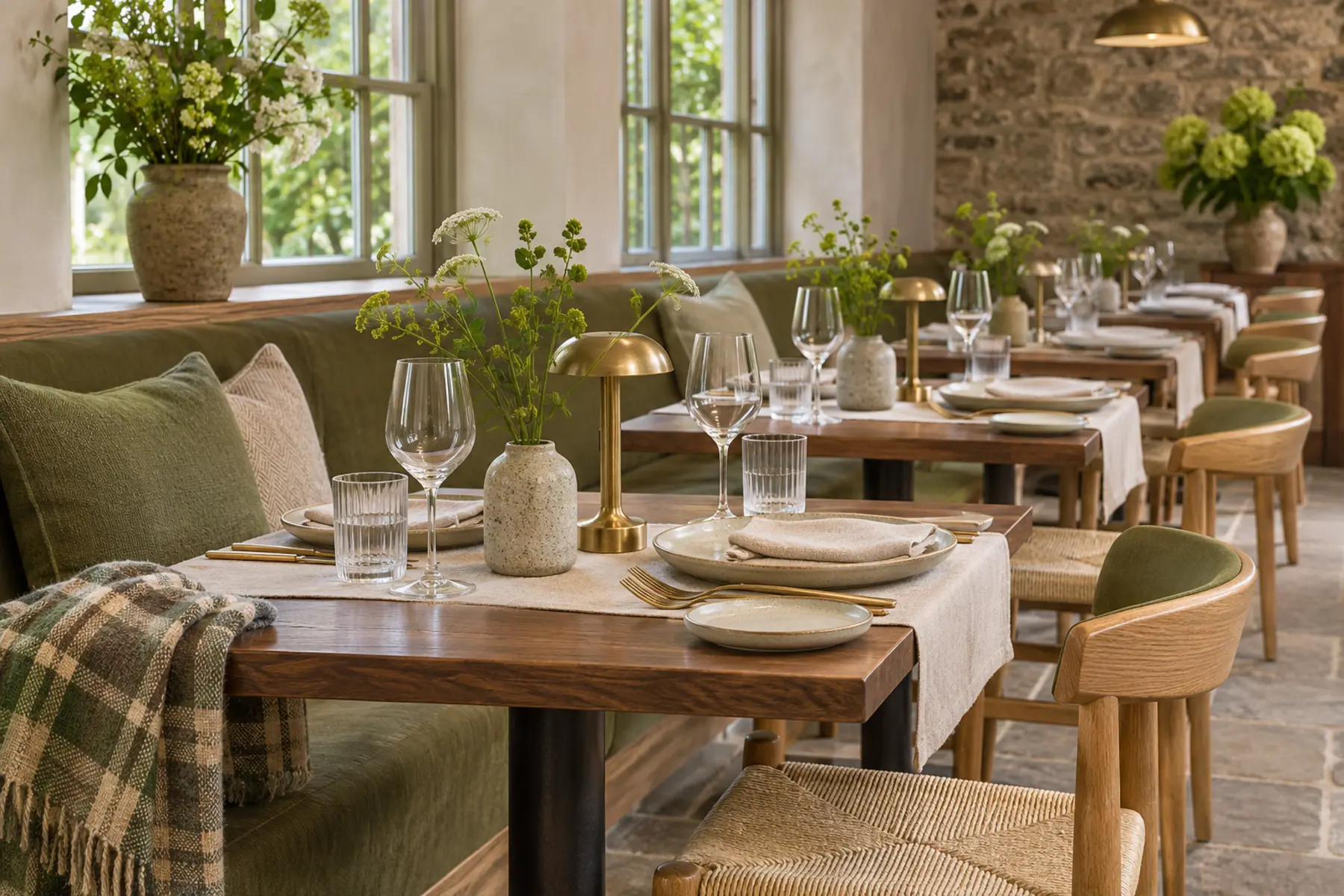
Email is one of the cheapest ways to fill a table, because it goes to people who have already chosen you once.
Every booking and order on your own site gives you the chance to ask whether the diner would like to hear from you, with a clear, honest sign-up. The people who say yes are the ones most likely to come back, and the list belongs to you in a way a platform's never will.
The messages themselves can be short and plain. A new seasonal menu, a set-menu night on a quiet Tuesday or the dates for Christmas bookings are the kind of thing a regular is glad to hear about. One message a month, in your own voice, beats a burst of weekly ones.
Under data protection rules, people have to agree to hear from you and be able to stop easily, so the sign-up and the unsubscribe both need to be simple and clear.
Not every kind of marketing pays back in the same way. The comparison shows where effort tends to count most for an independent restaurant.
| Kind of marketing | What it takes | How measurable it is | Who keeps the diner |
|---|---|---|---|
| Local search and Google profile | A good site and a kept-up profile | Clear, through searches and bookings | You do |
| Genuine reviews | Asking and replying, regularly | Clear, through the review count and rating | You do |
| Email to your own list | A sign-up and a short monthly message | Clear, through opens and bookings | You do |
| Social media | Regular posting and good photographs | Patchy, and harder to tie to a booking | The platform shares them |
| Paid adverts | A budget and someone to manage it | Clear if tracked, but it stops when the spend does | You, if they book direct |
| Delivery app promotions | A promotion funded by your own margin | Clear on the app, with commission on each order | The platform |
A quiet midweek night is the best place to try something, because the cost of a flop is small and the room has space to fill.
A set menu, a tasting evening, a local producer night or an offer for people who live and work nearby can all be given their own page and their own booking link. That lets you see how many diners it brings in, and where they came from.
The email list is the cheapest way to tell people. A short message a few days ahead, with a clear link to book, often fills the room, and the diners who come are the ones most likely to return.
Whatever you try, keep it simple to book, simple to understand and honest about what is included. A good quiet-night offer is one a diner can describe in a sentence.
Marketing that cannot be measured is hard to improve, so a handful of simple numbers are worth watching.
The count of tables booked and orders placed directly, week by week, is the clearest measure of whether the site is working.
Search, the map, email and social each bring different diners, and knowing the mix tells you where to put effort.
A steady rise in recent reviews and a stable rating show the routine is working, and a dip tells you early.
The number of people who book more than once, and the size of your list, show whether you are building a base you own.
Social media works best when it sends people somewhere that closes the booking, and that somewhere is your own website.
A good photograph of a dish on social media creates the wish to eat it. If the link beside it goes to a fast page with the menu and a booking button, the wish becomes a table. If it goes to a slow site or a PDF, it fades.
The same photographs and the same wording can serve both, so the work is done once. A few strong images of the food, the room and the people who work there, used on the site, the profile and social, make the restaurant look consistent wherever a diner meets it.
Social media is also where regulars see what is new. A short post about a seasonal dish, linked to the menu page, brings them back without a promotion.
The best marketing for a restaurant is a good evening that someone tells another person about, and a few small habits make that more likely.
A warm welcome, a table that is ready and a kitchen that is consistent are the foundation. After that, the habits that help are asking for a review at the right moment, answering every one and making it easy to book again before the diner leaves.
A card on the table with a direct link to leave a review, or a message after a booking, costs almost nothing. Over a few months it builds a body of recent reviews that a new diner can trust.
Most wasted marketing effort falls into the same few traps, and each is easy to sidestep once it has been named.
A lovely photograph that links to a slow site or a PDF menu loses the diner at the last step. Fix the destination before the posts.
They bring discovery, and they take a share of every order and keep the customer details. Use them for finding new people, not for serving regulars.
Paying or rewarding diners for reviews is against Google's policies and can backfire. Ask honestly and reply well instead.
Every booking and order is a chance to build a list you own. Without it, each new diner has to be found again.
Several changes in the same month make it impossible to tell what worked. Try one thing at a time and watch the numbers.
Without a count of bookings and orders from each source, effort goes where it feels busy and not where it pays back.
A plan follows four steps, and the price is agreed in writing before the first one starts.
For most independent restaurants, the foundations come first. A fast website, a complete Google profile and genuine reviews, then email to the diners you already have. They are measurable, and they build something you own.
Make it easy to be found, easy to choose and easy to book. That means pages for the searches diners make, a profile that sends them to your own booking page and a way to bring regulars back.
It helps, particularly for showing the food and keeping regulars interested, but it works best when it sends people to a site that closes the booking. On its own it is hard to measure.
It can, once the foundations are in place and the booking page is fast. Paid adverts stop when the spend stops, so they tend to work best for a specific event or a new opening.
Ask for an email sign-up when someone books or orders, and send a short message now and then about something worth coming back for. A regular who hears first about a new menu is more likely to book.
It is one of the cheapest ways to fill a table. It belongs to you, it goes to people who already chose you, and it can be measured.
Give it a reason, such as a set menu, a tasting evening or an offer for people nearby, with its own booking page so you can count the result. A short email to your list a few days ahead usually does the rest.
It depends on the restaurant and the season, and most of what works costs time more than money. The first step is a free audit of where your diners come from now.
They are good for discovery, because people browse them when they are hungry. They are expensive for regulars, so the sensible pattern is to move people who already know you to your own ordering.
Some things, such as fixing the hours on your profile, work within days. Pages that rank and a growing set of reviews build over months, and the results can be tracked as they do.
Yes. The same foundations apply, with the emphasis shifting. A cafe leans on the profile and morning searches, and a takeaway on its own ordering and repeat orders.
It depends on the time you have. The foundations of a good site, profile and review routine are better built once, with you in control, and an agency can add to that later if there is a clear gap to fill.
A complete Google profile, a routine for reviews and an email to the diners you already have. All three cost more time than money and build assets you own.
Get the site, the profile and a simple email sign-up live early, so people can follow your opening and book from day one. A page for the opening date gives search something to find.
Yes. The site, the pages and the list of diners are yours outright, with no platform to rent. The price is agreed in writing before any work starts.
Each page goes deeper on one part of filling tables and taking orders and bookings on your own site.
 Start hereLocal SEO for Irish Businesses: How to Rank on Google in Your AreaRead the guide →
 Google Business Profile for Irish Businesses: The Complete Setup GuideHow to set up, verify and optimise your Google Business Profile as an Irish business. The step-by-step guide to appearing in local search.
 How to Take Online Orders Without the Just Eat Commission (Ireland)Just Eat and Deliveroo take a cut of every order. How Irish cafes and takeaways can take orders on their own site and keep the lot.
 Why Your Irish Business Website Isn't Ranking on Google (And What To Do About It)If your Irish business website is not showing on Google, one of these eight things is almost certainly why. A diagnostic walkthrough.
Send me your current website address and I will tell you plainly what is working, what is holding it back and whether a rebuild is worth it. Free, with a fixed price agreed before any work starts.