Christmas Gift Vouchers
Put the voucher page where buyers will see it from early in the season, and make sure the delivery by email works for last-minute orders.
Free, no obligation
A restaurant gift voucher system needs to let someone buy a voucher in a minute, deliver it in a form that feels like a gift and make it easy for your team to redeem it. It also has to state the terms clearly, because Irish rules cover how long a voucher must last.
Many restaurants sell vouchers by phone or at the till, which works but misses most of the people who think of it late at night or in December. A voucher page on your own site catches those buyers, and the money comes straight to you with no platform taking a cut.
A good system also keeps the diner you did not have. The person receiving a voucher is often a new customer, and they arrive already predisposed to enjoy the evening. A well-run voucher is one of the cheapest ways to bring in a table you would not otherwise have had.
I build gift voucher pages for restaurants, cafes and gsitepubs across Ireland as part of a site you own. It starts with a free audit of how vouchers are sold now, so you can see what a buyer sees.
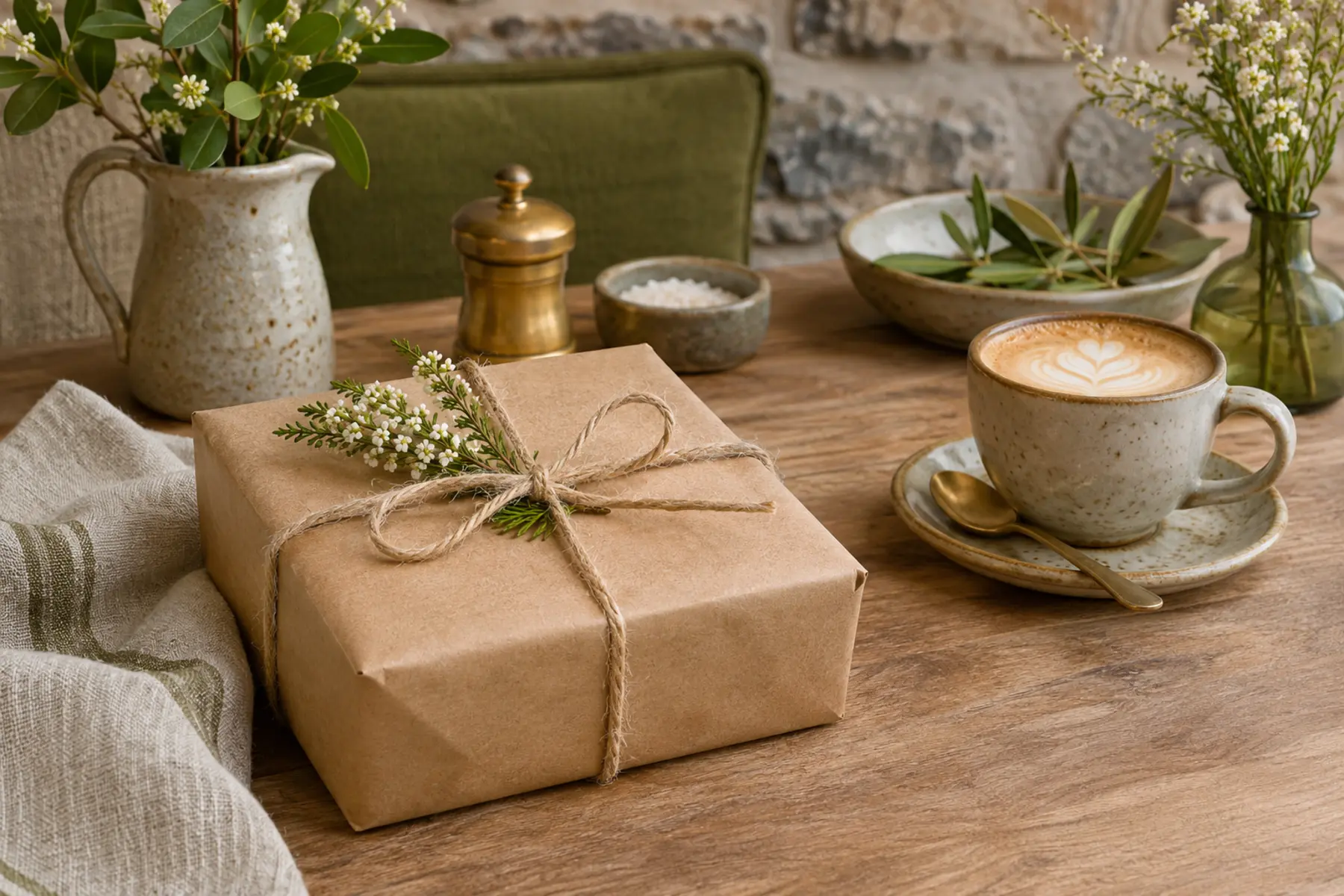
Gift vouchers bring in cash before the meal, new diners who did not choose you themselves and a steady lift in the months that are usually quiet.
A voucher is paid for up front, which helps cash flow, particularly in the quieter months. Many go unredeemed for a while, and when they are redeemed the diner often spends beyond the value of the voucher.
The person who receives it is usually a new customer. They arrive already looking forward to it, and a good evening can turn one voucher into a regular.
Vouchers also sell the restaurant to people who might never have searched for it. A buyer looking for a gift idea finds your voucher page, and a good page turns that search into a sale.
Irish law sets rules on how long a gift voucher must last, so a voucher page should state its terms clearly. The Competition and Consumer Protection Commission (CCPC) and the statute book are the places to confirm the current position.
The Consumer Protection (Gift Vouchers) Act 2019 took effect on 2 December 2019. Its central rule is that gift vouchers must be valid for a minimum term of five years, and it prohibits a number of unfair terms. The CCPC also says that where more than one euro remains on a voucher, the balance has to be refunded, by cash, electronic transfer or a new voucher with the original expiry.
There are limited exceptions, which the CCPC sets out, so it is worth checking whether any apply to what you sell. The rules apply to vouchers sold since the Act came into force, and they cover sales to businesses as well as to consumers.
A voucher page works best when it states the terms plainly beside the buy button, including how long the voucher lasts, how to redeem it and what happens to any balance. This is guidance on how a website can help, and not legal advice. The pages listed below are the place to confirm what applies to you.
A voucher platform is quick to start, and your own voucher page costs a little more up front and then belongs to you. The comparison covers what matters most.
| What matters | Voucher platform | Your own site |
|---|---|---|
| Fees | A fee or commission on each voucher, often plus a monthly cost | A fixed build price, then the normal payment fee |
| Who keeps the buyer | The platform holds the buyer and the recipient details | You do, so you can write to them |
| How it looks | The platform's template, with your logo | Designed to match your restaurant |
| Redemption | Through the platform's own system | Through a simple check that suits your team |
| Control of the terms | Limited by the platform | Yours, stated as you want within the rules |
A voucher has to be simple at both ends, because the buyer is often in a hurry and the person redeeming it is often a little unsure.
The buyer chooses a value, adds a message, pays and receives the voucher by email, ready to forward or print. The whole thing should take a minute, work on a phone and never ask them to create an account.
The recipient books a table or arrives at the door and shows the voucher. A short code lets your team check it and mark it as used, either on a simple page you can open on a phone or in a list you keep.
The voucher should say plainly what it is worth, how long it lasts and how to use it, so the recipient never feels they have to ask.
December is the busiest time for vouchers, and a few other dates work well too, so it is worth planning when they go in front of buyers.
Put the voucher page where buyers will see it from early in the season, and make sure the delivery by email works for last-minute orders.
A romantic dinner for two and a family lunch are natural gifts, and a short email to your list a few weeks ahead brings in the buyers.
These are year-round, so a clear voucher link on the site and in your Google profile catches people looking for a gift at any time.
Businesses buy vouchers for staff and clients, and a short enquiry route for larger orders suits them better than the normal checkout.
A gift voucher system is quoted as a fixed price agreed in writing before any work starts. A few things decide where it lands, and the first conversation is about your restaurant and not a price list.
A few fixed voucher values are the simplest. Letting the buyer choose an amount, or adding a message and a design, takes more work.
Sending a voucher by email is the baseline. A printable version with your design adds a little more.
A simple code that your team checks is the lightest option. A tracked balance for part-redeemed vouchers takes more setting up.

A voucher does not have to be a sum of money. A tasting menu, a private dining evening or a particular experience can be sold as its own gift.
A named experience is easier to give than a number. A tasting menu for two, a chef's table evening or a private dining package can each have its own page, its own price and its own voucher, so the buyer knows exactly what the recipient will enjoy.
These also tend to be the most profitable ones, because the experience is planned around what the kitchen does best. They fit neatly with a private dining enquiry page for the larger bookings.
The recipient is often a new diner, so the voucher has to answer their questions before they have to ask.
Say plainly whether it is a sum of money, a set menu or a specific experience, and whether drinks and service are included.
A direct link to the booking page, and a note on how far ahead to book at busy times, saves a phone call and a disappointed evening.
State the date clearly, in line with the Irish rules, so the recipient never wonders whether they have left it too late.
A phone number and an email on the voucher itself make it easy to ask about allergies, access or a change of plan.
A voucher system goes wrong in a small number of ways, and each one is simple to avoid.
A buyer should see how long the voucher lasts and how to use it before they pay, not after. State the terms beside the buy button.
Gift buyers are often in a hurry, so asking them to register loses sales. A guest checkout on a phone does the job.
If staff cannot check a code quickly, vouchers cause friction at the table. A simple lookup on a phone fixes it.
Birthdays, anniversaries and special occasions run all year. A voucher link in your site menu and Google profile catches them.
If the voucher page is buried in the footer, few buyers find it. Link it from the menu, the home page and the Google profile.
A short thank-you to the buyer and a friendly note to the recipient turn a one-off sale into a relationship.
The work follows four steps, and the price is agreed in writing before the first one starts.
Yes. A voucher page on your own site lets diners buy at any time, with the payment going straight to you and no platform taking a cut of each voucher.
Under the Consumer Protection (Gift Vouchers) Act 2019, gift vouchers generally must be valid for a minimum of five years, with limited exceptions. Check the CCPC and the statute for the current position.
The CCPC says that where more than one euro remains, the balance must be refunded in cash, by electronic transfer or as a new voucher. The pages in the sources list are the place to confirm the detail.
Yes. The buyer receives the voucher by email, ready to forward to the recipient or print, and it can carry a personal message.
The voucher carries a short code, and your team checks it on a simple page on a phone or against a list, then marks it used. It takes a few seconds at the table.
Yes, if the system tracks the balance. A simpler set-up treats each voucher as used in one go, and the terms say what happens to any balance.
Yes. A tasting menu, a private dining evening or a chef's table can each be sold as its own gift, with its own page and price.
A platform usually charges on each voucher, and your own page is a fixed build price with only the normal payment fee afterwards. The price is agreed in writing before any work starts.
It depends on your terms, so state them clearly. A voucher with a unique code can be looked up and reissued if the buyer contacts you with proof of purchase.
Yes. You can offer a few fixed values, let the buyer choose an amount or sell a named experience, and the system handles whichever you choose.
Yes. Birthdays, anniversaries and Mother's Day are strong, and a clear voucher link on the site and Google profile catches gift buyers whenever they search.
Yes. The page, the code and the buyer details are yours outright, with no platform to rent.
Yes. A voucher can be redeemed through a booking, so the recipient books a table and presents the code on the night.
Yes, at a smaller scale. A cafe can sell vouchers for a coffee and cake, and a takeaway for a family meal, and the same page and checkout work for both.
The voucher should state its terms clearly and be recorded in your accounts like any other sale. Your accountant can advise on how to treat them.
Each page goes deeper on one part of filling tables and taking orders and bookings on your own site.
Checked on 22 November 2026. Rules and guidance change, so the official pages named below are the place to confirm the current position.
 Start hereHow to Take Online Orders Without the Just Eat Commission (Ireland)Read the guide →
 Online Booking Systems for Irish Businesses: How to Choose OneThe three ways an Irish business can take bookings online, what each one really costs, and how to work out which suits you. Plain English, no jargon.
 Local SEO for Irish Businesses: How to Rank on Google in Your AreaA practical guide to local SEO for Irish businesses, how Google local search works, what moves the needle, and how long results realistically take.
 How to Update Your Website Yourself: A Plain Guide (Ireland)How to work out what your website is built on, get into it, and change prices, hours and photos yourself. Including if you have lost access.
Send me your current website address and I will tell you plainly what is working, what is holding it back and whether a rebuild is worth it. Free, with a fixed price agreed before any work starts.