A Page for Couples and Relationship Counselling
The main page explains who you help, how sessions work and what to expect, using the phrases couples actually search for.
Free, no obligation
A couples therapist website needs to reassure two people at once, who may feel differently about getting help, and make it easy for either of them to take the first step.
Couples rarely arrive at a therapist's website in perfect agreement. One partner has usually done the searching, the other may be hesitant or worried they will be blamed, and the site is read by both, often at different times. A page that speaks to only the motivated partner can lose the other before a first session is booked.
That makes tone and clarity more important here than on almost any other counselling site. The site has to explain how couples sessions work, whether both people attend together, what a first session involves and what it costs, in words that neither partner finds loaded.
I build websites for couples therapists, relationship counsellors and psychosexual therapists across Ireland. They are calm, discreet and written around the questions couples actually ask, and each starts with a free audit of your current site.
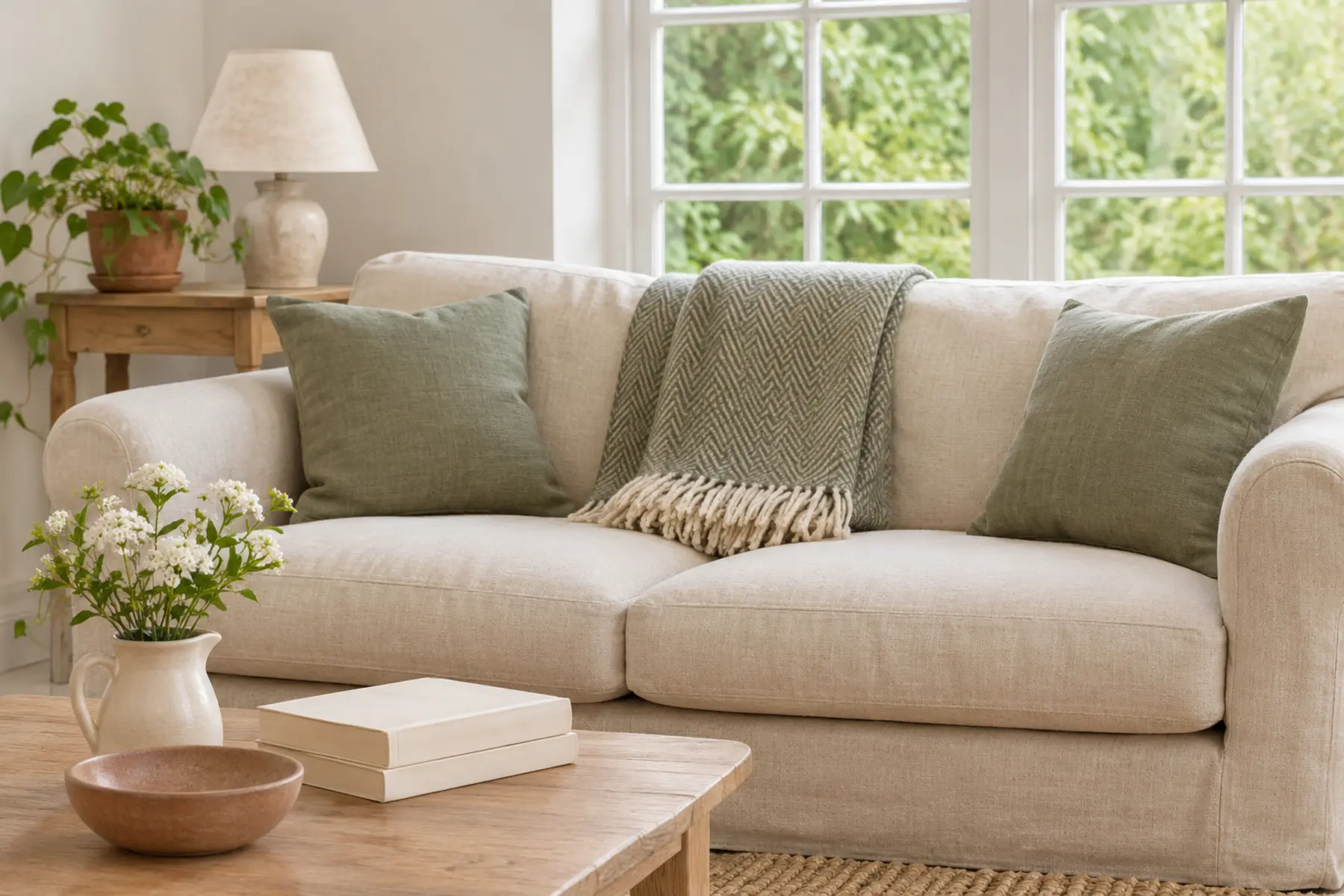
Couples search for the relationship and the place or format, using plain phrases such as couples counselling, relationship counselling and marriage counselling.
Google's own suggestions in Ireland include couples counselling, marriage counselling, relationship counselling and online couples counselling, so a site that uses only one of those words misses the others. Naming each where it is true, on a page that explains how you work, covers the range of ways people phrase it.
Many searches come at a difficult moment, often late in the evening and often by one partner alone. The page they land on should be calm, plain and quick to read on a phone, with the next step clear.
A couples therapist website needs a small set of pages, each answering a different search.
The main page explains who you help, how sessions work and what to expect, using the phrases couples actually search for.
Communication, trust and life changes are separate searches. A calm page for each lets a reader find the one that matches their situation.
If you offer it, give it its own page with wording suited to the topic, so a reader can find it privately and read it without distraction.
Explain how two people join, what each needs and how privacy works, so the practical questions are answered in one place.
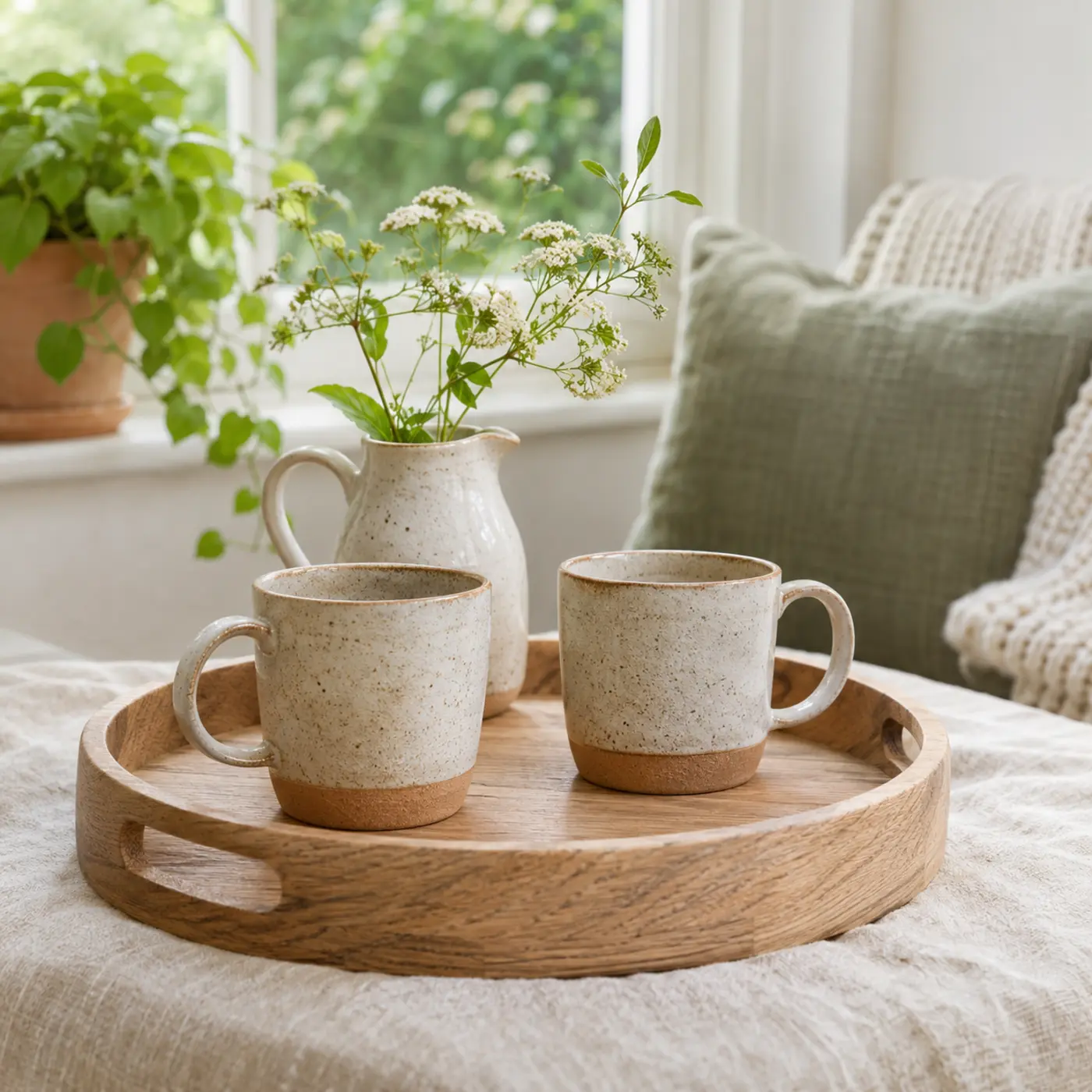
A couples counselling website should speak to both partners equally, so neither feels judged or sidelined before the first session.
Avoid language that assigns blame, or that assumes one partner is the problem. Describe relationships and patterns rather than faults, and use wording that either person could read without feeling defended.
Use we and you together, and describe a first session as a conversation for both people. A reader who is nervous about being outnumbered or exposed should find reassurance in how the page describes the room.
Explain how you work with each partner, including whether you ever see people individually, so the more hesitant partner knows what to expect before they agree to come.
A sex therapy page works best when it is plain, calm and professional in tone, without being coy or explicit.
Say clearly which concerns you work with, using everyday language rather than euphemism or jargon. Clarity helps a nervous reader recognise that the page is for them.
Describe what happens in sessions, including that they take place as conversations if that is how you work. Stating the boundaries plainly is reassuring and protects both client and practitioner.
Avoid imagery, wording or detail that could be read as suggestive. A professional, discreet tone is part of what tells a client the practice is safe.
Booking and fees for couples have a few wrinkles that a single-client practice does not face.
Say whether the fee is per session for both partners together, and whether longer sessions cost more. Couples compare fees as a pair, so clarity matters.
Make it easy for either partner to enquire and book, and say whether both need to be involved in agreeing a time. This avoids one partner feeling pushed aside.
Explain whether one person pays or whether it is shared, and when payment is due. Settled in advance, it removes an awkward conversation.
A fair, clearly stated policy for missed or late sessions avoids friction, and is worth stating in a warm tone that suits a couple's first impression.
A couples therapist website goes smoothly when it is built in a clear order.
Settle whether you see couples, individuals or both, and whether sessions are in person, online or both. Everything on the site follows from these choices.
Give couples and relationship counselling its own page, and sex therapy its own page if you offer it, so each can be found and read separately.
Build a short form or contact route that suits either partner and asks for very little. Add a plain note on privacy beside it.
A complete Google profile and accurate listings give search engines and clients independent confirmation of who you are, and tracking shows what brings enquiries.
The main couples counselling page does most of the work, so it is worth writing in a clear order.
Start by describing what couples often feel when they search, in everyday words, so both partners recognise themselves without being blamed.
Say how you work with each partner, how sessions are structured and whether you see people individually, so the more hesitant partner knows what to expect.
Walk through what happens in a first session, how long it lasts and what is asked. Uncertainty is often what stops a couple booking.
Close with a calm, optional way to get in touch, with fees nearby. No pressure and no urgency.

Before booking, couples want a handful of practical answers, and a site that gives them quickly earns the enquiry.
They want to know who they will meet, how long a session lasts, what it costs and whether both people have to come. They want to know whether it is confidential, and whether they will be asked to say things in front of each other that they are not ready to say.
A short, honest page that answers these in order is more persuasive than a long description of your approach. It shows that you understand the nervousness on both sides of the screen.
Some wording undermines trust with couples, even when it is well meant.
Promises about saving a relationship are the clearest example. No therapist can promise the outcome of a couple's work, and a claim to do so reads as pressure to an anxious reader.
Language that implies one partner is at fault, or that couples therapy is a last resort before separation, can also push a hesitant partner away. Neutral, steady wording does the opposite.
Sensitive topics deserve their own pages, written with care.
Infidelity, communication, separation and life changes are separate searches. A page for each lets a reader find the one that matches what they are facing.
Write about how these situations feel and what working on them involves, rather than who caused them. It keeps both partners reading.
Therapy gives people a space to understand and decide, and cannot promise a particular result. Saying so builds trust.
Where a situation involves safety or abuse, say plainly that other support is available and where to find it, such as emergency services or a helpline. It is responsible and reassuring.
Online couples counselling adds a few practical points that the site should address.
Say whether partners join from one device or two, and what each needs. Couples in different places, or with limited privacy, benefit from a clear answer.
A couple at home may worry about being overheard or interrupted. Mention practical options such as timing and headphones, without making them feel they have to explain.
State your approach if one partner is late or absent, so a first session does not collapse on a technicality.
Point couples to a single page on how online sessions work, so the practical answers are in one place.
Couples decide quickly whether a therapist feels fair, so the signals of trust need to be easy to see.
Name the body that accredits you and your qualifications, so a cautious partner has something concrete to check.
Steady, neutral wording that favours neither partner tells both that they will be treated fairly.
A short, plain note on confidentiality beside the enquiry route reassures the partner who is most worried about being exposed.
A website is one part of being found, and it works best alongside a Google profile and directory listings.
Couples often check several places before booking, such as Google, a professional directory and your website. Each should say the same thing about who you are, how you work and how to reach you.
Details that match build trust, and details that differ look careless. I treat the profile and listings as part of the build, so the whole picture is consistent.

Mostly by searching for couples counselling, relationship counselling or marriage counselling, often with an area or the word online. A page that uses each phrase where it is true answers those searches.
Yes, if you offer it. Sex therapy is a separate search, and a separate page lets a reader find it privately, with wording suited to the topic.
As a conversation for both people, with a plain account of how long it lasts, who attends and what is asked. Reassurance about confidentiality and pace helps the more hesitant partner.
Yes. Couples compare options, and a clear fee for a session, with how longer sessions and cancellations work, removes a barrier at the moment of enquiry.
Use neutral wording that does not assign blame, describe sessions as a shared conversation, and say how you work with each person. The reluctant partner often reads the page too.
No, and a website should not suggest it. Describe how you work and who you help, and be honest that therapy offers a space to understand and decide rather than a promised result.
A plain description of what you help with, how sessions run, where boundaries lie and what it costs, in a calm, professional tone with nothing explicit or suggestive.
Yes. Explain how both partners join, what each needs, how privacy works at home and what happens if one cannot attend.
As private as possible. It should ask for a first name and a way to reply, with at most one short optional line, and a plain note on who reads the message and how long it is kept.
No. Real couples are identifiable, and photographs risk implying clients. Calm images of rooms and objects suggest warmth without exposing anyone.
Long enough to explain who you help, how sessions work and what to expect, usually several hundred words. Clear headings keep it easy for a worried reader to scan.
Who you help, that you work with couples, and how to get in touch, in the first lines, with clear links to each page. A visitor should know within seconds that the practice is for them.
Yes. A listing with a recognised professional body gives couples a place to check your accreditation, and it usually links back to your site. Keep it matching your website exactly.
Yes, for couples therapists, relationship counsellors and psychosexual therapists across Ireland. It starts with a free audit of your current site and a conversation about your practice.
Each page goes deeper on one part of getting a counselling or psychotherapy practice found online.
 Start hereIndustry-Specific Web Design: Why Your Trade Changes What Your Website NeedsRead the guide →
 Local SEO for Irish Businesses: How to Rank on Google in Your AreaA practical guide to local SEO for Irish businesses, how Google local search works, what moves the needle, and how long results realistically take.
 Google Business Profile for Irish Businesses: The Complete Setup GuideHow to set up, verify and optimise your Google Business Profile as an Irish business. The step-by-step guide to appearing in local search.
 Web Design for Irish Businesses: What Actually Gets ResultsA straight guide to web design for Irish businesses: what a good site costs, what makes it rank, and what most designers will not tell you.
Send me your current website address and I will tell you plainly what is working, what is holding it back and whether a rebuild is worth it. Free, and in confidence.