Sports Physio
Searches such as sports physio near me and running injuries come from active people who want to get back quickly.
Free, no obligation
A specialist physio needs a page for each speciality because the people searching for sports physio, pelvic health physio and a children's physio are different people, using different words, with different worries. A single services page cannot speak to all of them.
A runner with a sore knee wants to know the clinic understands running. A woman searching for pelvic health help wants calm, private wording and a clear idea of what to expect. A parent looking for a children's physio wants to know the age range and whether they can stay in the room. Each of those is best met by a page written for that reader.
Specialist pages also help the clinic rank. Searches such as sports physio near me, pelvic floor physio ireland and paediatric physiotherapy ireland are specific, and a page built around each one has far less competition than a general physio search. They bring in patients who are looking for exactly what you do.
I build specialist pages for physiotherapy clinics across Ireland, as part of a physiotherapy website or added to one you already have. It starts with a free audit of which specialities you offer and which searches are worth a page.
Autocomplete in Ireland shows real demand for each of the specialities below, and each one deserves a page of its own.
Searches such as sports physio near me and running injuries come from active people who want to get back quickly.
Searches such as pelvic floor physio ireland come from people who value calm wording and privacy.
Parents search for a children's physio in Ireland and want to know the age range and how sessions work.
Pregnancy, postnatal recovery and related problems, written with care and clear next steps.
Adult children often do the searching, so the page covers mobility, balance and home visits.
Patients searching for recovery after an operation want to know how the clinic works with their surgeon.
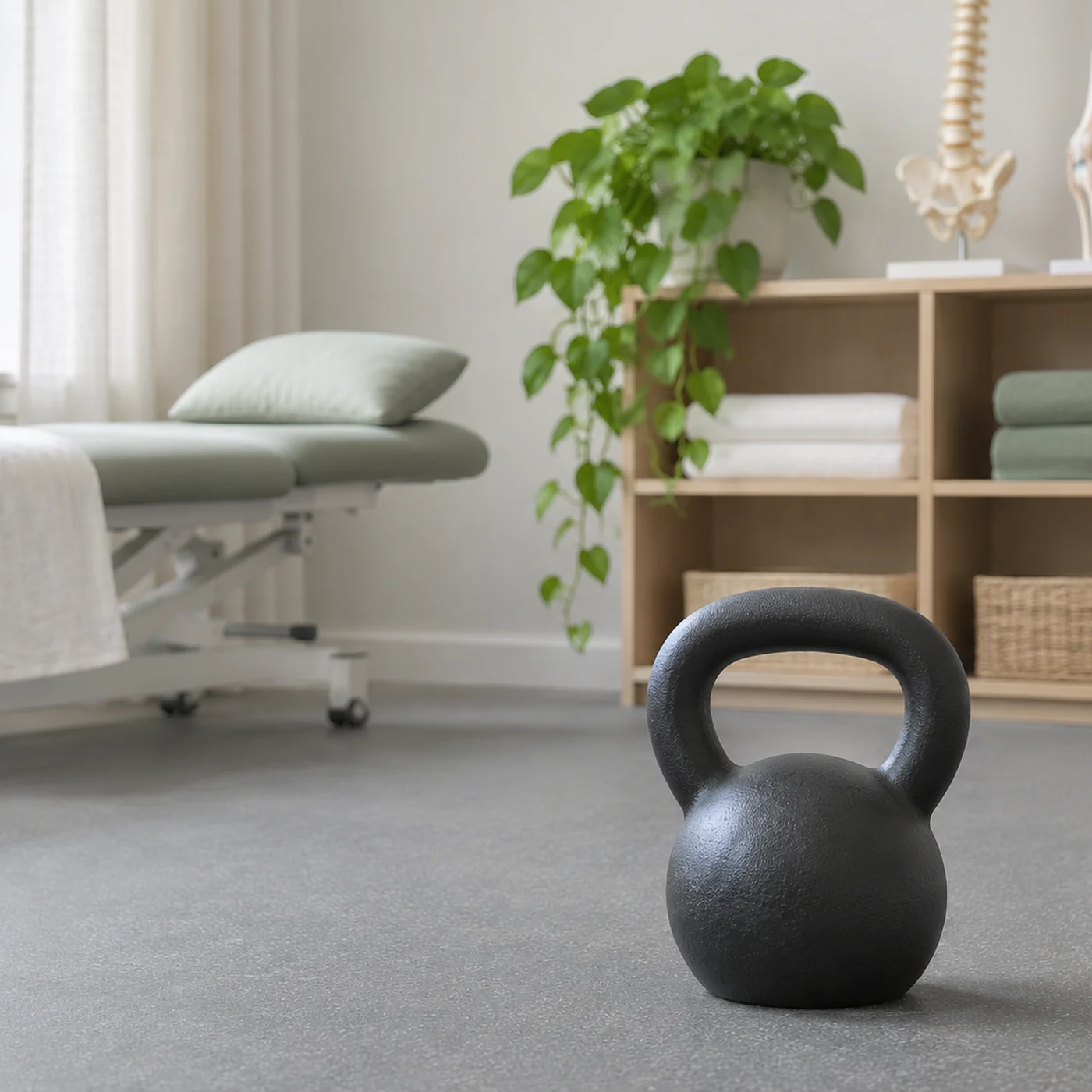
Pelvic health is a private subject, and the page needs to feel safe before the patient will book.
The wording should be calm, direct and free of euphemism and embarrassment. It should say plainly what the physio treats, what an assessment involves and what the patient can expect, including that they are in control of what happens. A clear, kind page can ease a worry that has kept someone from seeking help.
Privacy matters on the site too. Booking should require as little as possible, and the form should not ask the patient to describe an intimate problem in a box. A short note saying that details can be discussed in private at the appointment is reassuring.
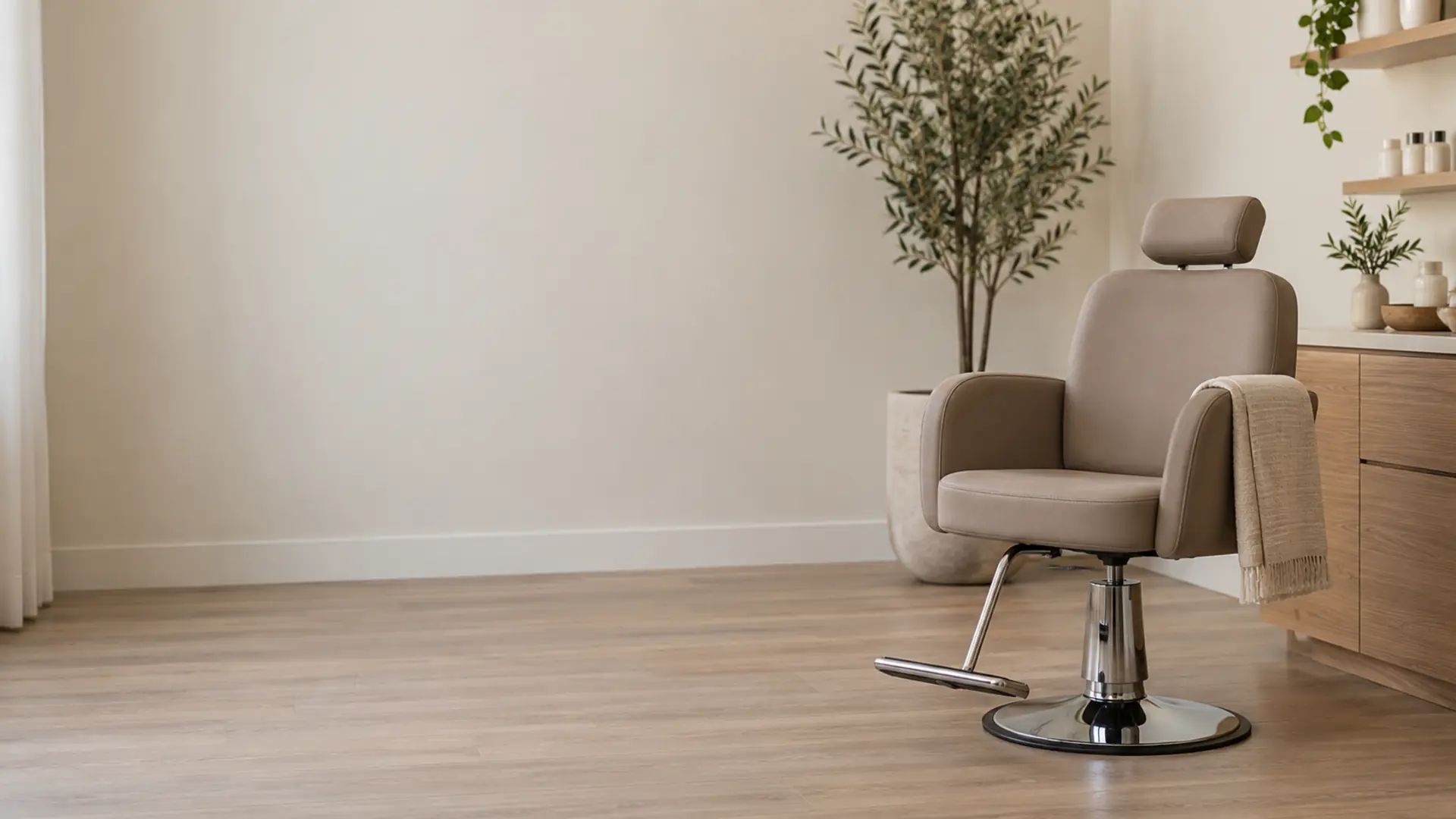
Photographs should be restrained. A calm treatment room with nobody in it tells the patient the space is private, and avoids anything that might feel intrusive. A short line on who will be in the room, and whether a chaperone or a family member can be present, answers a question many patients are too shy to ask. The practitioner's name, registration and a short, warm introduction build trust before the visit. A parent or a relative reading it on a phone should be able to see who will treat their child or their parent within the first screen.
Active people search for a physio who understands their sport and will get them back to it. The page should show that you do.
A sports page works best when it names the sports and the injuries that go with them. Running, rugby, hurling and cycling each have their own common problems, and a page that mentions them tells the reader you know their world. It also helps Google match the page to the searches.
The page should explain how the clinic handles an injury, from assessment to a return-to-sport plan, and be honest about what a physio can and cannot promise. Athletes appreciate a straight answer about timelines, with the reminder that every injury is different.
Local detail helps. Mentioning the clubs, the parkruns and the routes people use in your area makes the page feel local and separates it from a generic one on another clinic's site.
Each speciality has a different reader, and the page has to be written for them. The table sets out the differences.
| Speciality | Who searches | What the page must do |
|---|---|---|
| Sports physio | Active people with an injury | Show you understand their sport and can get them back |
| Pelvic health | Often women, sometimes after childbirth | Be calm, private and clear about what to expect |
| Paediatric | Parents of a child with a concern | State the age range, how sessions work and whether parents stay |
| Older adults | The patient or an adult child | Cover mobility, falls and home visits in plain words |
| Post-surgery | Patients recovering from an operation | Explain how rehabilitation works alongside their surgeon |
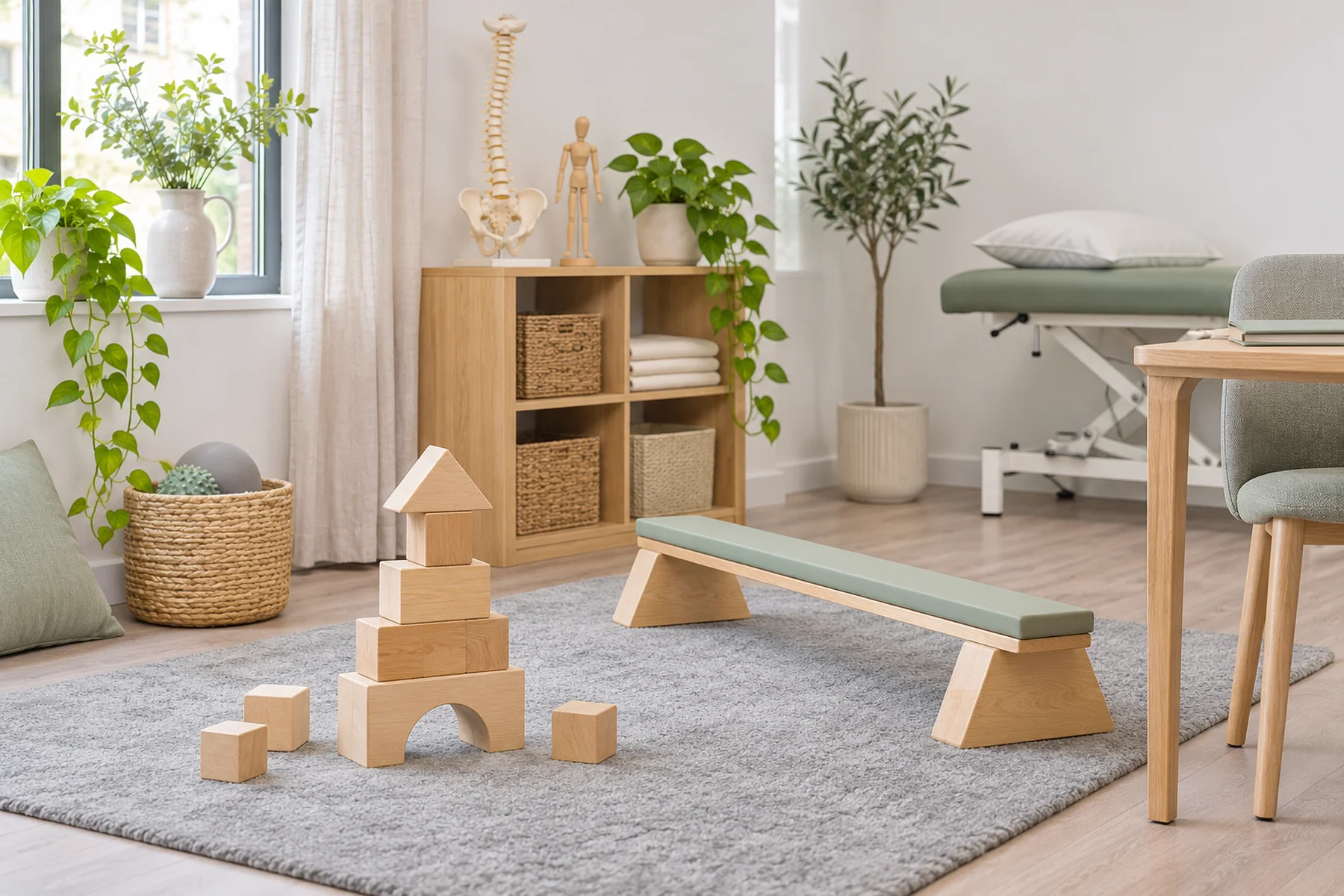
Often the person who searches is not the patient, so the page has to speak to a parent or a son or daughter.
A parent looking for a children's physio is usually worried. The page should say which ages you see, what kinds of concern you help with, how a session works and whether the parent can stay in the room. Warm, plain wording and a photograph of a friendly, empty play space reassure better than a clinical description.
For older adults, the person searching is often an adult child. The page should cover mobility, balance and falls prevention, say whether home visits are offered and name the areas you travel to. It helps to explain how a visit works and what the family can do to prepare.
Both pages should make contact easy. A parent or a relative often wants to ask a question before booking, so a phone number and a short enquiry form should be easy to find.
Specialist patients often arrive through someone else, such as a doctor, a coach or a teacher, and the page can speak to them as well.
Say plainly whether you accept patients who are referred, and what information helps, so the person making the referral knows how to proceed.
A sports page can offer a short note for coaches and club officials, with how to book players and how injuries are reported back.
A paediatric or older adult page can address teachers and carers directly, explaining how they can help a patient follow a plan between visits.
Occupational therapists, speech and language therapists and others often work alongside a physio, so a short note on how you share information with the patient's consent helps them refer.
The work starts with the specialities you offer and ends with pages you can update.
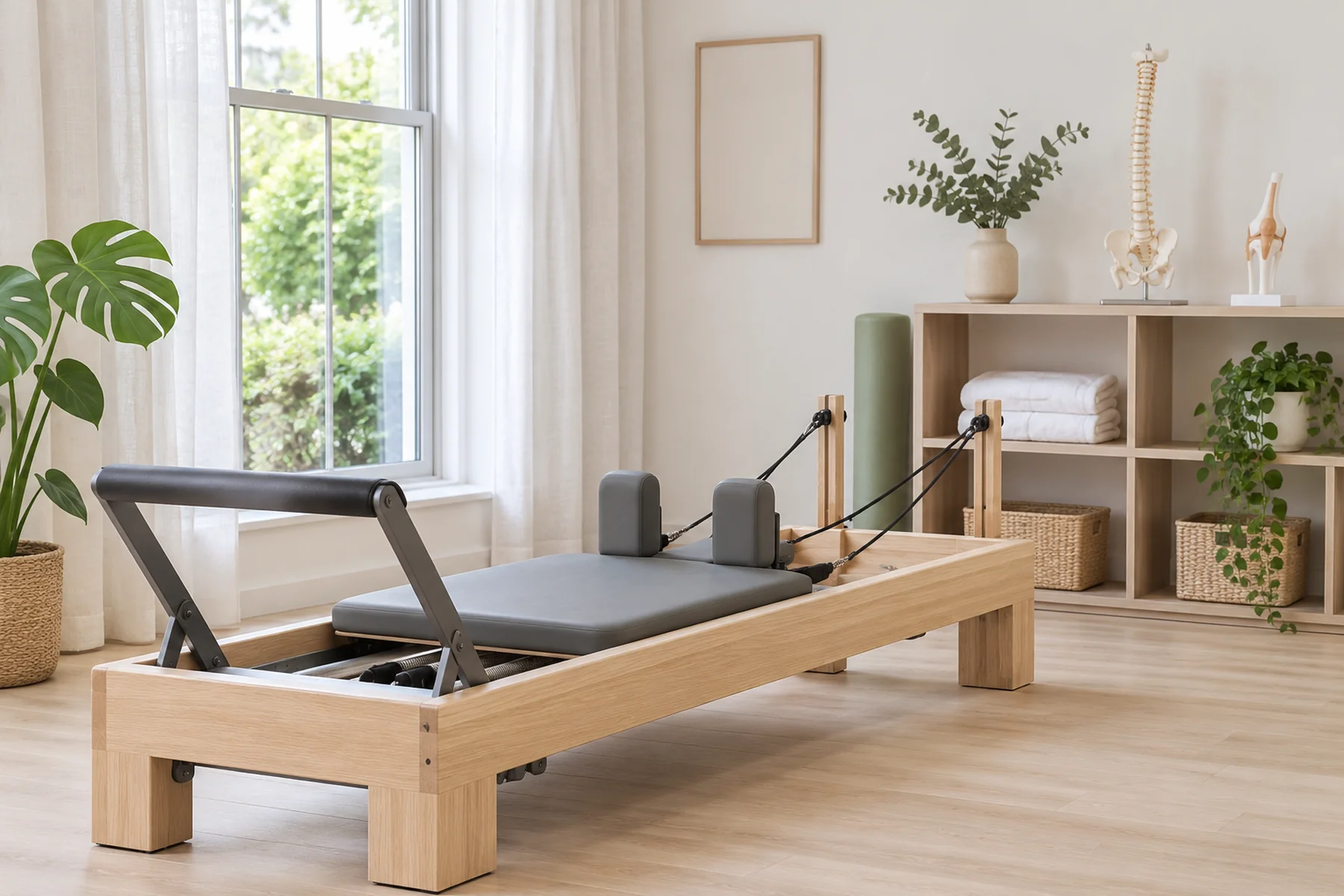
Yes. A clinic can have a page for each speciality and still have one clear site, as long as the pages are organised well.
A good structure has a services page that lists the specialities, with each one linking to its own page. A visitor can see the range at a glance and go straight to the part that matters to them. The same practitioners can appear on several pages where they cover several areas.
The home page should say clearly what the clinic offers overall, and the menu should make each speciality easy to find. A patient who arrives from a search for pelvic health should not have to hunt past sports pages to find what they need.
Keep each page focused. A page that tries to cover everything ends up covering nothing well, while a page for one speciality can speak to its reader directly. It also makes the site easier to maintain, since a change to one speciality, such as a new practitioner or a different session length, touches one page and not the whole site, and the other pages carry on unchanged. The condition pages work alongside these for the specific problems within each.
It is one of the best ways to be found. People searching for sports, pelvic health or children's physio use different words, and a page for each lets you appear for those searches and speak to each reader.
Use calm, direct wording, say what the physio treats and what an assessment involves, and make clear the patient is in control. Ask for little on the booking form and show a private-looking room and a named practitioner.
The ages you see, the concerns you help with, how a session works and whether parents can stay in the room. Warm, plain wording works best, and a phone number should be easy to find.
Often an adult child searching for a parent, so the page should speak to them. Cover mobility, falls and home visits, and name the areas you travel to.
Name the sports and injuries you see most, explain how an assessment and return-to-sport plan work and mention local clubs and events. Honest wording on timelines builds trust.
It helps, particularly where practitioners have different specialities. A page for each shows who sees which patients and builds trust before the visit.
Yes, as long as the page says when and where they are available. A patient who books a speciality that is only offered on certain days needs to know that before they book.
They help with the specific searches, while the Google profile does most of the work for near me searches. The <a href="/physiotherapists/google-business-profile">Google Business Profile for physiotherapists</a> page covers the profile.
Each page carries a booking button in context, and where a speciality has a specific practitioner or session length the button can lead straight to that diary. The <a href="/physiotherapists/booking-system">physio booking system</a> page covers the set-up.
If you do, say so on the relevant page and name the areas you cover. A patient searching for home visits wants to know quickly whether you reach them.
Calm, uncluttered images of the actual rooms and equipment, with no patients in them. They reassure without breaching anyone's privacy.
Each page can be written and added within a few days once the content is agreed, and the site's content manager lets you add more yourself over time.
If fees differ by speciality, a short note or a link to the fees page helps patients decide. Keep it plain and keep it current.
Each page goes deeper on one part of filling tables and taking orders and bookings on your own site.
 Start hereLocal SEO for Irish Businesses: How to Rank on Google in Your AreaRead the guide →
 Google Business Profile for Irish Businesses: The Complete Setup GuideHow to set up, verify and optimise your Google Business Profile as an Irish business. The step-by-step guide to appearing in local search.
 Online Booking Systems for Irish Businesses: How to Choose OneThe three ways an Irish business can take bookings online, what each one really costs, and how to work out which suits you. Plain English, no jargon.
 How to Update Your Website Yourself: A Plain Guide (Ireland)How to work out what your website is built on, get into it, and change prices, hours and photos yourself. Including if you have lost access.
Send me your current website address and I will tell you plainly what is working, what is holding it back and whether a rebuild is worth it. Free, with a fixed price agreed before any work starts.